

Summary
- Insta360 has surpassed 10 million cameras shipped worldwide.
- The company was founded in 2015 and evolved from a 360/VR startup into a broader imaging brand.
- In Q1 2026, Insta360 cited IDC data showing nearly 70% of global 360-camera shipments.
- Its first flagship store outside Asia opened in Times Square on September 19, 2026.
Insta360 has surpassed 10 million cameras shipped worldwide, a milestone showing how quickly 360 and action cameras have moved from a specialist niche into mainstream creator tools.
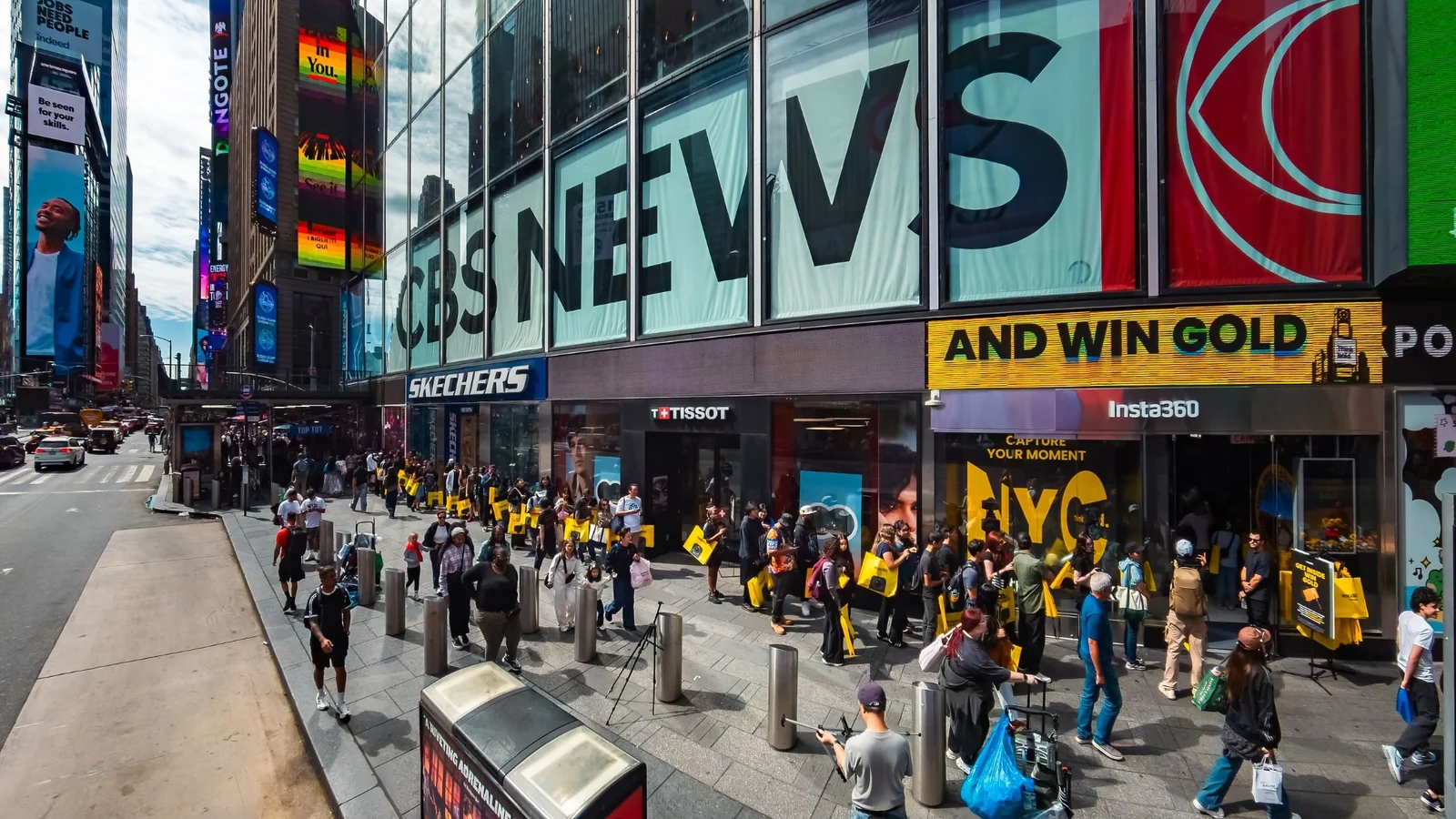
The announcement coincided with the opening of the company’s first flagship store outside Asia on September 19, 2026, in New York’s Times Square. The store matters as a sign of Insta360’s international expansion, but the bigger story is the number itself: a company founded in 2015 has reached multi-million-unit scale in roughly a decade.
Insta360 also says, citing IDC data, that it held nearly 70% of global 360-camera shipments in the first quarter of 2026. That figure applies specifically to the 360-camera category rather than the entire action- or creator-camera market, but it shows how strong the company has become in the field where it started.
From a VR experiment to a new camera category
Insta360 was founded in 2015, and its earliest products were closely tied to the wave of interest in VR and panoramic content. From the 4K beta and Insta360 Nano onward, the company worked to move panoramic capture away from large, expensive systems and into smaller devices accessible to far more users.
The crucial shift came when the 360 camera stopped being treated only as a way to produce VR. Capturing the entire environment and choosing the frame later in editing created a different workflow: creators could shoot first and frame later, using a single take for different angles, horizontal or vertical versions, and animated reframes.
Software became as important as the camera
The category’s growth was not driven only by higher resolution, smaller hardware or stronger bodies. Improvements in stitching, electronic stabilization, reframing and automated editing tools were equally important.
For creators, much of a 360 camera’s value now lies in what happens after capture. Invisible selfie-stick effects, horizon stabilization, subject selection and the ability to export conventional video from spherical footage turned what once looked like a special effect into a practical tool for travel, action sports, vlogging and social video production.
Insta360 is no longer only a 360-camera company
At the same time, the company has steadily widened its portfolio. It now sells 360 cameras, action cameras, compact wearable cameras, gimbal cameras, smartphone stabilizers, wireless microphones, webcams and professional VR systems.
That expansion matters when reading the 10-million milestone. The figure no longer describes the success of one device type alone, but Insta360’s broader attempt to become an imaging brand for creators, competing in more categories than the one that first made it famous.
From startup to public company
The transformation is visible in the company’s financial scale as well. Insta360 listed on Shanghai’s STAR Market in 2025. In its listing announcement, the company reported revenue of RMB 2.041 billion in 2022, RMB 3.636 billion in 2023 and RMB 5.574 billion in 2024, representing a three-year compound annual growth rate of 65.25%.
For a company that began in the relatively small panoramic-imaging market, that trajectory illustrates how new forms of capture can become standalone categories when combined with accessible workflows and social-media distribution.
Why the Times Square store matters
The new flagship at 1515 Broadway is designed for product trials, education, technical support and community activity. The company had already opened a Tokyo flagship in August and says further European expansion is planned.
The move from a company known primarily through online content and viral footage to a permanent physical presence in markets such as New York is another sign of maturity. For 360 cameras in particular, hands-on testing has practical value because the user experience depends far more on shooting and editing workflow than a conventional specification table can explain.
What we think
The most important part of the 10-million figure is not the number itself, but what it represents: the 360 camera escaped the narrow VR niche and became a distinct creative tool. Insta360 invested not only in hardware but in the software that makes footage useful after the shoot, and that is likely one of the main reasons the category reached a much broader audience.
Frequently asked questions
How many cameras has Insta360 shipped?
The company says it has surpassed 10 million cameras shipped worldwide.
When was Insta360 founded?
It was founded in 2015 with an early focus on panoramic and 360-degree imaging.
Where is the new flagship store?
At 1515 Broadway in New York’s Times Square. It opened on September 19, 2026.
Is Insta360 still only a 360-camera company?
No. Its portfolio now includes action and wearable cameras, gimbal cameras, stabilizers, microphones, webcams and professional VR systems.