


Summary
- Lexar introduced Muse Ultra-Slim Portable SSD at IFA 2026
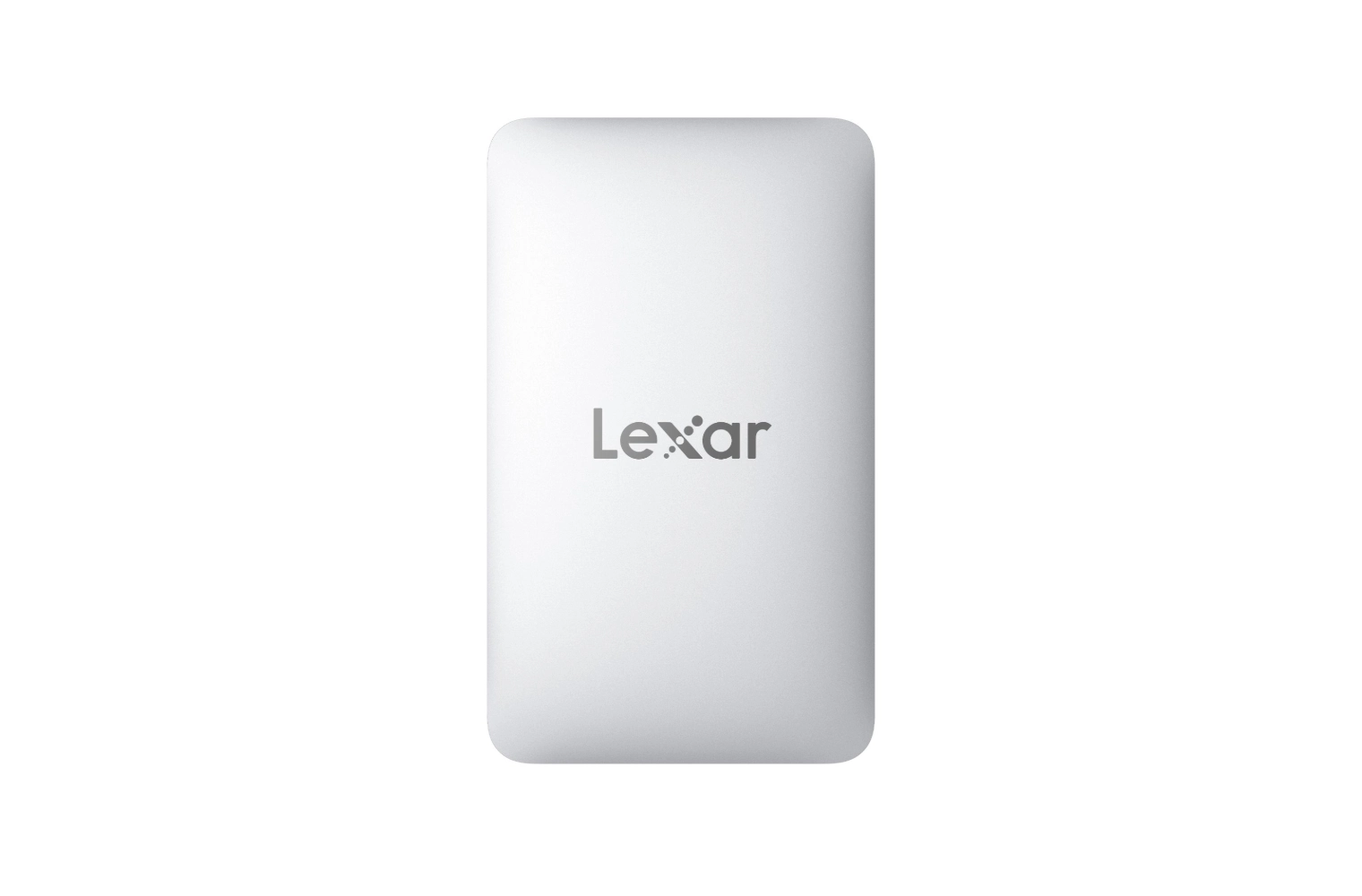
- Its metal body is 3.8mm at the thickest point and tapers to 1mm
- Data uses a PogoPin connection and proprietary magnetic SnapLink cable
- Speeds reach 1,050MB/s read and 1,000MB/s write
- 512GB and 1TB versions are scheduled for Q4 2026
Lexar has introduced Muse Ultra-Slim Portable SSD at IFA 2026, a card-sized external drive that removes the conventional USB-C port from the body and uses a proprietary magnetic SnapLink cable.
The metal unibody is 3.8mm at its thickest point and tapers to 1mm at the edge. Lexar developed a custom PCB and uses high-density NAND to achieve the shape. Data passes through spring-loaded PogoPin contacts and a cable secured magnetically.
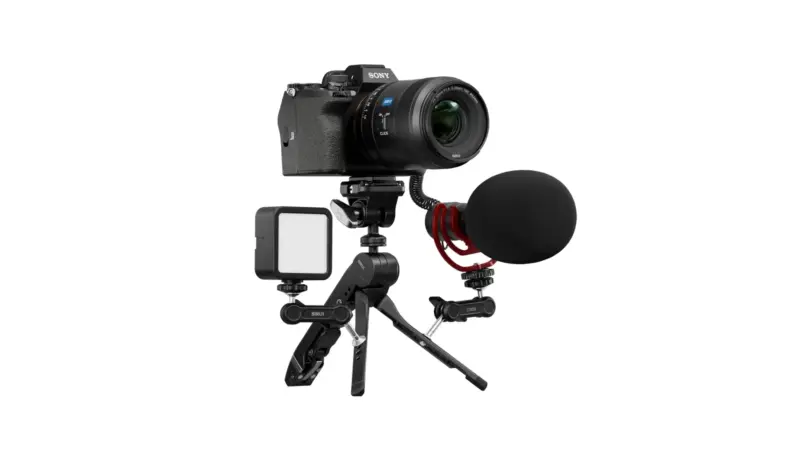
The design addresses a real problem for phone filmmakers: a conventional SSD and cable add bulk to a handheld rig. It creates a new limitation, however, because a common USB-C cable cannot directly replace SnapLink if it is lost or damaged.
PogoPin and magnets instead of a drive-mounted port
SnapLink uses spring-loaded contacts and N52 magnets to align with the SSD. Lexar combines the cable with a magnetic carry sleeve that can attach to compatible MagSafe iPhones. The result is a flat assembly that follows the phone rather than hanging from it.
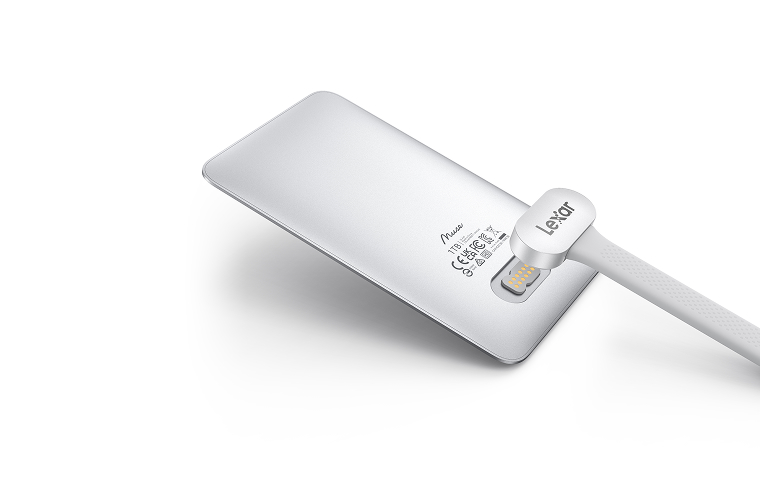
Removing the port permits a thinner body and eliminates a protruding plug. The tradeoff is moving critical compatibility to a proprietary cable. For travel or field production, a spare SnapLink may matter more than another common USB-C cable already in the bag.
Up to 1,050MB/s
Lexar quotes read speeds up to 1,050MB/s and write speeds up to 1,000MB/s. That places Muse among fast portable SSDs for transfer, backup and high-bitrate direct recording, while real performance will depend on the host, protocol and file type.
The drive works with iPhone, iPad, Mac and other USB-C devices through the supplied cable. Compatible iPhones can record ProRes 4K at up to 120fps directly to it, a use where the thin magnetic mount makes the most sense.
The real field-use tradeoff
For creators working mainly with a phone, low mass and secure placement can reduce strain on a gimbal or grip. Workflows involving many cameras and computers, however, gain one unique part that must always be available.
That compromise alone proves neither reliability nor failure. PTTL has not tested Muse, and long-term data is not yet available. The design should be understood as a trade between thinness and universal cable replacement.
Availability and price
Lexar Muse Ultra-Slim Portable SSD is scheduled for Q4 2026 in 512GB and 1TB capacities. Pricing has not been announced, and Lexar notes that availability and specifications may vary by region. More information is available on the official product page and in Lexar’s official IFA 2026 announcement.
What we think
Muse shows how portable SSD design is increasingly shaped by phones rather than computers. Magnetic mounting and a very thin body are attractive for iPhone ProRes and lightweight rigs. SnapLink is a genuine operational compromise, though: the product’s value will depend not only on speed but also on replacement-cable availability, price and durability.
Frequently asked questions
Does Muse have a normal USB-C port?
Not on the drive body. It connects through PogoPin contacts and the supplied magnetic SnapLink cable, which terminates in USB-C.
How thin is it?
It is 3.8mm at the thickest point and tapers to 1mm at the edge.
How fast is it?
Lexar claims up to 1,050MB/s read and 1,000MB/s write.
When will it ship?
512GB and 1TB versions are scheduled for Q4 2026, with pricing still unannounced.