

Summary
- Roman launched aboard Falcon Heavy on 30 August 2026
- Contact with Earth was confirmed seven minutes after liftoff
- The Solar Array Sun Shield deployed successfully, providing power and thermal protection
- The first course-correction burn was completed on 31 August and lasted about three minutes
- Orbital insertion around L2 is expected in about 100 days, with first images due in early 2027
The Nancy Grace Roman Space Telescope has launched successfully aboard Falcon Heavy, established contact with Earth and already completed the first course-correction burn of its three-month journey towards the Sun–Earth L2 point.
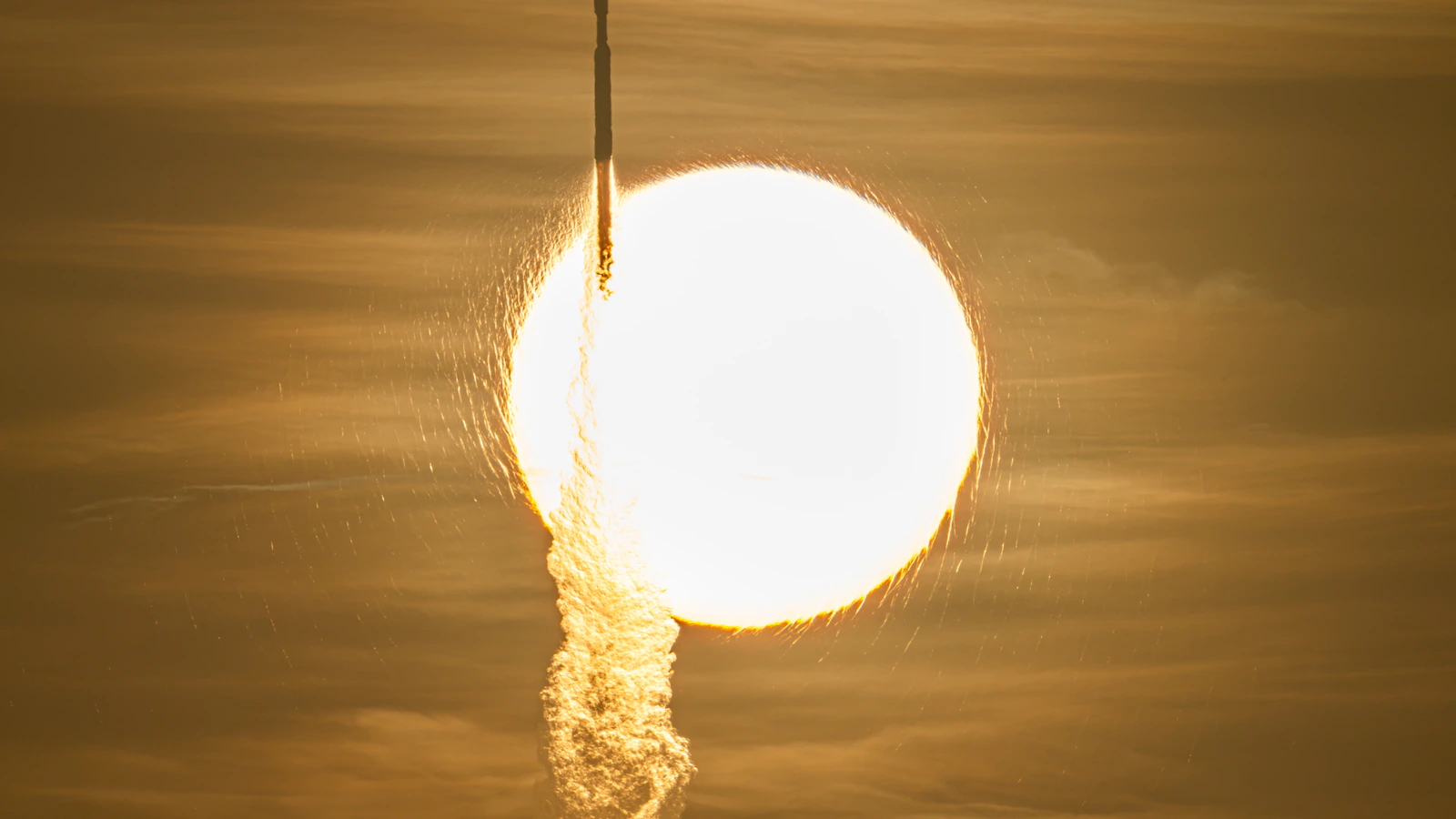
Launch took place on 30 August 2026 at 7:26 a.m. EDT — 11:26 UTC — from Launch Complex 39A at Kennedy Space Center in Florida. Seven minutes later, Goddard Space Flight Center began receiving telemetry, while Roman acquired communications through NASA’s TDRS system at 7:33 a.m. EDT.
A successful launch is only the beginning of an intensive checkout period. Roman must now deploy and activate critical systems, complete course corrections and enter an orbit around L2, roughly 1.5 million kilometres from Earth. NASA designed it to map vast areas of the sky in search of clues about dark energy, dark matter and exoplanets.
Launch and the first 31 minutes
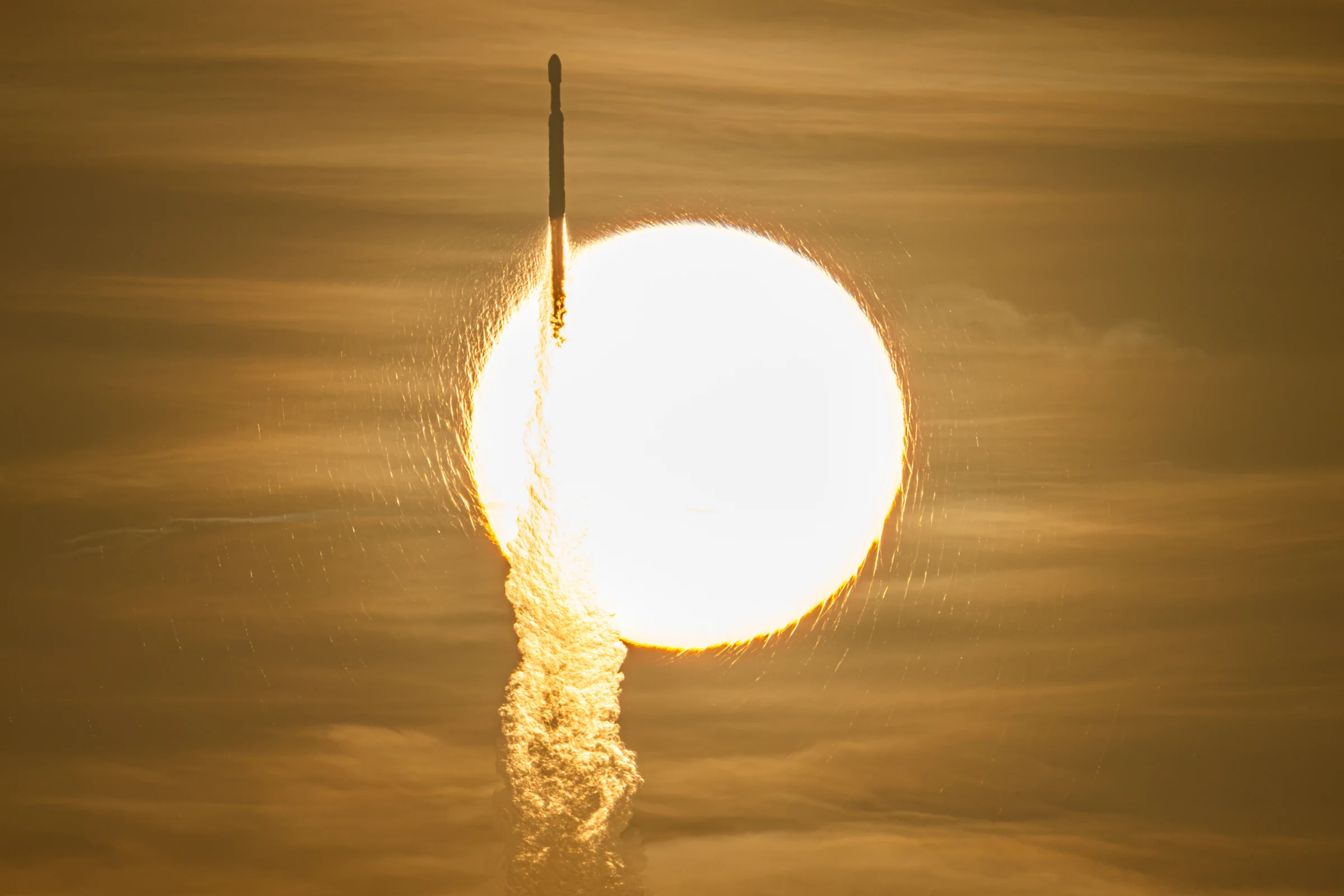
Falcon Heavy lifted off at the opening of its window and carried Roman out of Earth’s gravity. The two side boosters separated from the centre core and returned to Florida, while the upper stage continued with the telescope onto its transfer trajectory.
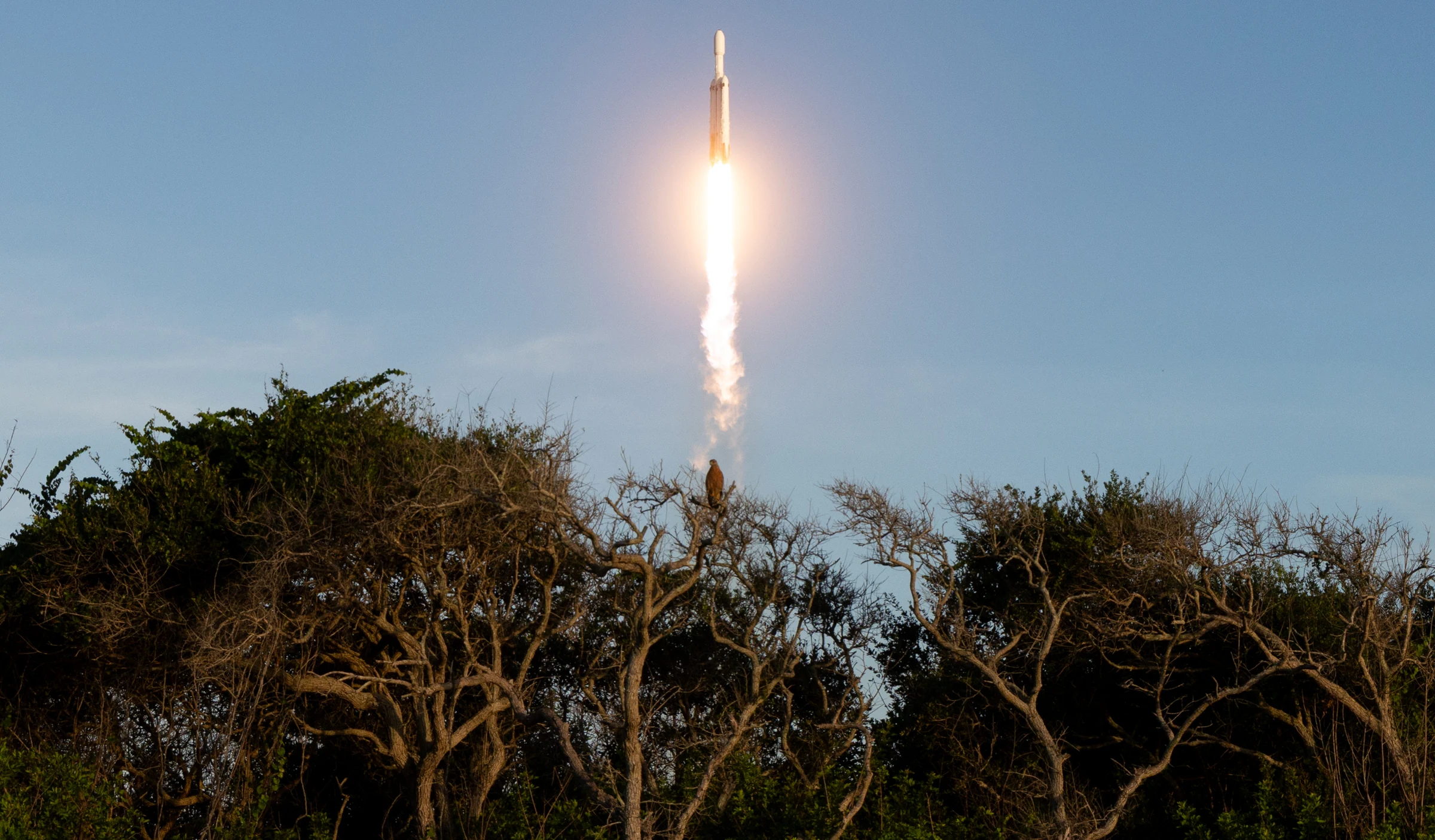
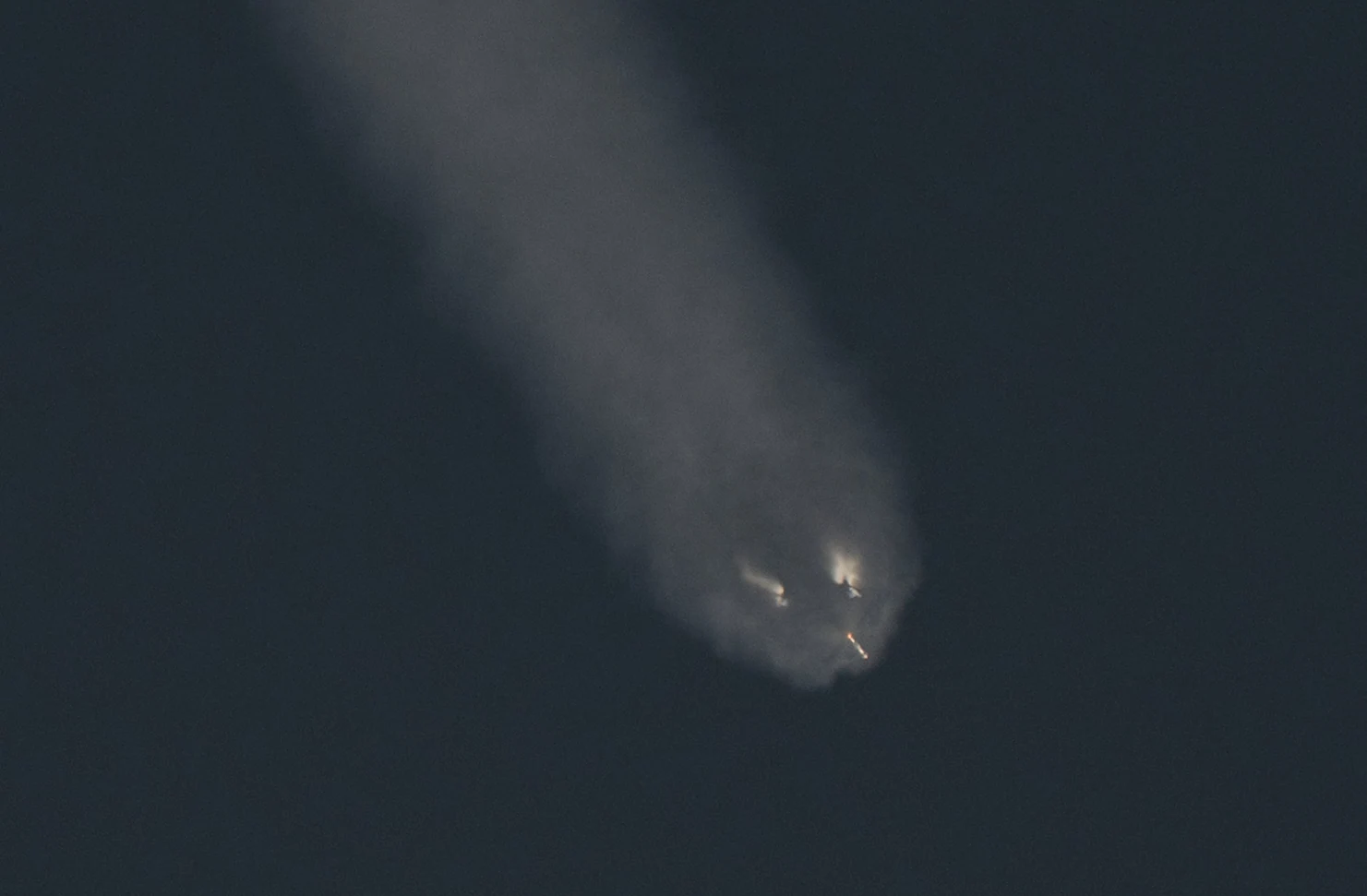
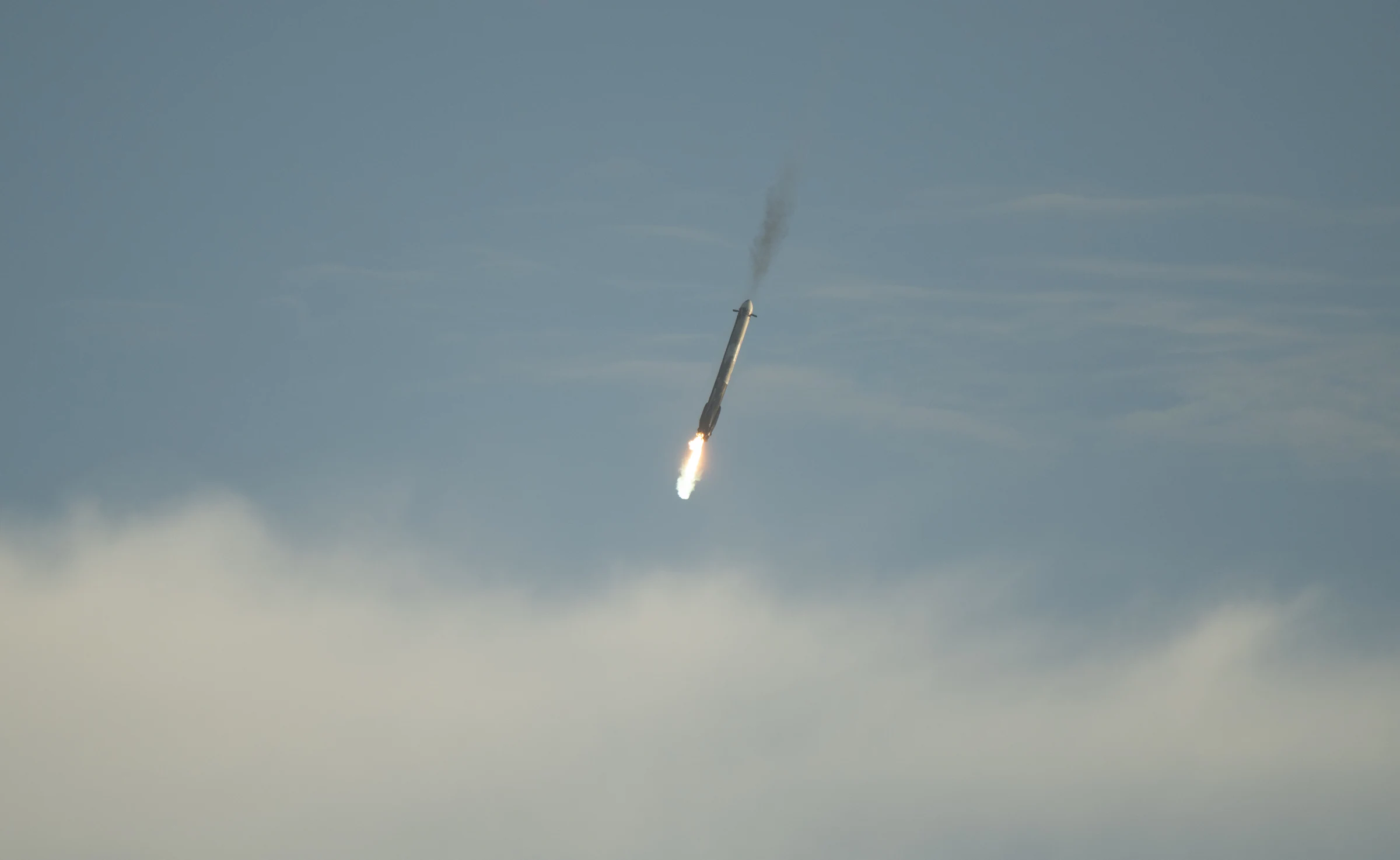
At 7:57 a.m. EDT, 31 minutes after liftoff, Roman separated from Falcon Heavy’s second stage and began flying on its own. NASA’s official video records the launch from Kennedy Space Center.
Contact with Earth and the first deployments
NASA initially used the Near Space Network for telemetry and commands. About 70 minutes after launch, the Deep Space Network took over through its Canberra antenna in Australia. Madrid and Goldstone followed, providing successive coverage as the spacecraft travelled farther from Earth.
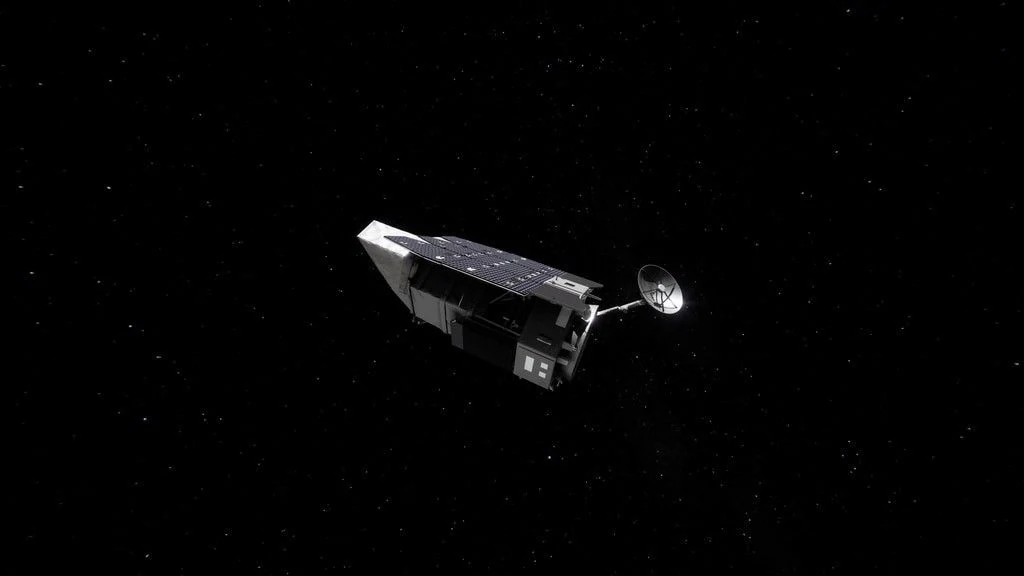
One hour and 23 minutes after launch, the Solar Array Sun Shield deployed successfully, combining photovoltaic power generation with the shade Roman needs to maintain a stable temperature. The lower instrument sunshade also deployed. The high-gain antenna and deployable aperture cover are scheduled for the following days and had not yet been reported as completed in NASA’s latest update.
The first course correction is complete
On 31 August at 12:02 p.m. EDT, Roman performed the first of two planned trajectory-correction manoeuvres. The engine burn lasted about three minutes and precisely adjusted the spacecraft’s path towards L2. A second correction will be conducted later in the week if required.
Insertion into the operational orbit is expected about 100 days after launch. Small station-keeping manoeuvres will then take place roughly every 28 days. Roman will not sit motionless at L2; instead, it will travel in a large orbit around the point.
Why L2 is critical to the mission
L2 lies on the far side of Earth from the Sun and provides a stable thermal and observing environment. The Sun, Earth and Moon remain in the same general direction, allowing the shield to protect the telescope continuously while most of the sky stays available without the frequent interruptions imposed by low Earth orbit.
That matters directly for infrared observations, where small thermal changes can reduce measurement precision. The large, stable orbit also limits fuel consumption, a necessity for a five-year prime mission that is intended to reach ten years.
What happens before the first images
The high-gain antenna and telescope aperture cover are due to deploy in the following days. The Coronagraph Instrument is scheduled to power on about one week after launch, while the Wide Field Instrument will be activated and checked roughly three weeks into the journey.
The Wide Field Instrument is a 300-megapixel infrared camera built around eighteen 4K detectors. NASA says it will survey the sky as much as 1,000 times faster than Hubble and generate up to 1.4 TB of data each day — the highest rate designed for a NASA astrophysics mission to date.
Instrument activation will be followed by alignment, focusing, calibration and test observations. Commissioning lasts about three months, and the internal timeline calls for first-look observations near its end. For the public release of Roman’s first images, NASA currently points to early 2027.
What Roman will observe
The primary science programme will measure the evolution of the Universe and the distribution of matter on immense scales, searching for evidence about dark energy and dark matter. Roman will also conduct a large census of exoplanets, including worlds that do not orbit a star.
The Coronagraph Instrument is a technology demonstration for directly imaging and obtaining spectra of giant exoplanets. Its starlight-suppression techniques could help pave the way for future missions such as the Habitable Worlds Observatory.
The launch completes the stage covered by PTTL in its pre-launch viewing guide. The meaningful assessment of the mission now shifts to deployment, arrival at L2 and the performance of the two instruments after calibration.
What we think
A clean launch, rapid acquisition of communications and completion of the first course correction remove three important initial risks, but they do not yet equal full operational readiness. The next three months carry the real technical weight: every deployment, alignment and calibration must work before Roman can deliver the scale of data it promises.
Frequently asked questions
When did the Nancy Grace Roman Space Telescope launch?
It launched on 30 August 2026 at 7:26 a.m. EDT, or 11:26 UTC, from Kennedy Space Center.
Where is Roman travelling?
Roman is travelling towards an orbit around the Sun–Earth L2 point, about 1.5 million kilometres from Earth on the far side from the Sun.
When will Roman reach L2?
Insertion into its operational orbit is expected about 100 days after launch.
When will the first images be released?
NASA expects to release Roman’s first images in early 2027, after roughly three months of deployments, checkouts and calibration.
What are Roman’s main instruments?
The Wide Field Instrument is a 300-megapixel infrared camera for large surveys, while the Coronagraph Instrument is a technology demonstration for directly observing exoplanets.