Summary
- Swift re-entered Earth’s atmosphere over North Sumatra on November 4, 2026.
- The American Space Force confirmed the event.
- Science observations had already ended on October 20.
- The mission’s collection of more than 1.5 million images remains available.
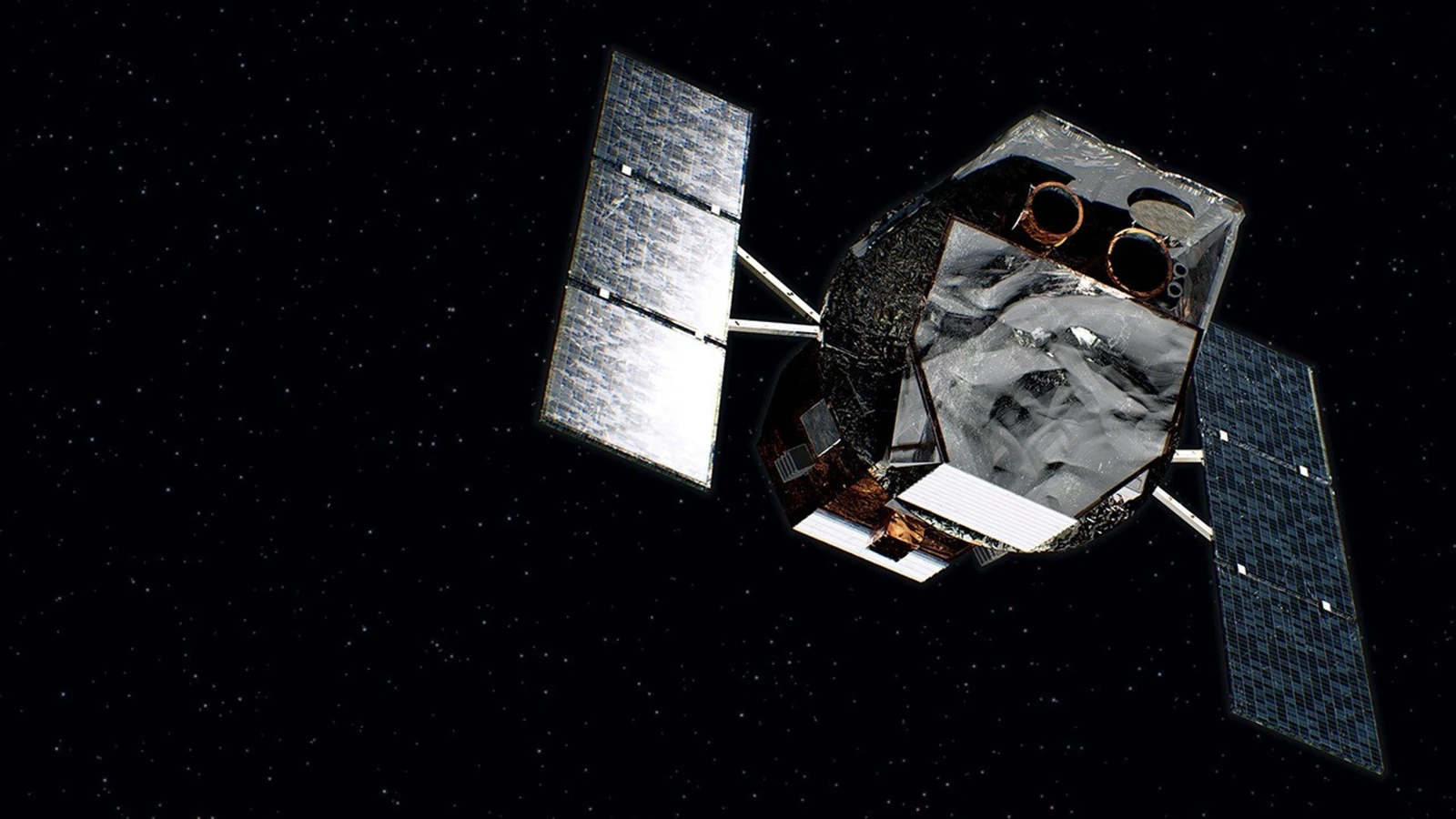
NASA’s historic Neil Gehrels Swift Observatory re-entered Earth’s atmosphere on November 4, 2026, definitively closing a mission that lasted almost 22 years.
The U.S. Space Force confirmed re-entry at 7:39 a.m. EST (2:39 p.m. in Greece), over North Sumatra, Indonesia.
Swift’s science observations had ended on October 20. The latest announcement marks a different event: the spacecraft itself is no longer in orbit.
This official NASA video explains the attempted orbital boost intended to extend Swift’s life. It does not depict the re-entry.
Re-entry over Indonesia
According to NASA, Swift entered the atmosphere near 3.4° north latitude and 98.6° east longitude, in the North Sumatra region. Those coordinates identify the reported re-entry location, not a confirmed debris impact site.
The observatory weighed approximately 1,450 kilograms. NASA expected most of the spacecraft to burn up in the intense heat of re-entry, although some components could have survived. Confirmation of re-entry does not mean that any surviving fragments have been recovered.
Why Swift lost its orbit
Swift launched on November 20, 2004, with a nominal two-year mission. Drag from Earth’s thin upper atmosphere gradually lowered its orbit, while heightened solar activity accelerated the decay. The observatory did not have its own propulsion system to restore its altitude.
NASA and Katalyst Space Technologies attempted to preserve the mission using the robotic LINK spacecraft, designed to approach Swift and lift its orbit. Technical problems aboard LINK prevented the rendezvous and boost. Atmospheric drag eventually made stable pointing too difficult, and science observations ceased on October 20.
An imaging legacy spanning 22 years
Swift combined three instruments: the Burst Alert Telescope (BAT), X-Ray Telescope (XRT) and Ultraviolet/Optical Telescope (UVOT). It could detect a fleeting gamma-ray burst, rapidly point toward its source and alert other observatories to capture the event before its afterglow faded.
Over nearly 22 years, it observed more than 2,000 gamma-ray bursts and studied more than 1,400 supernovae. The UVOT produced more than 1.5 million ultraviolet and visible-light images, and mission observations contributed to approximately 7,000 scientific papers.
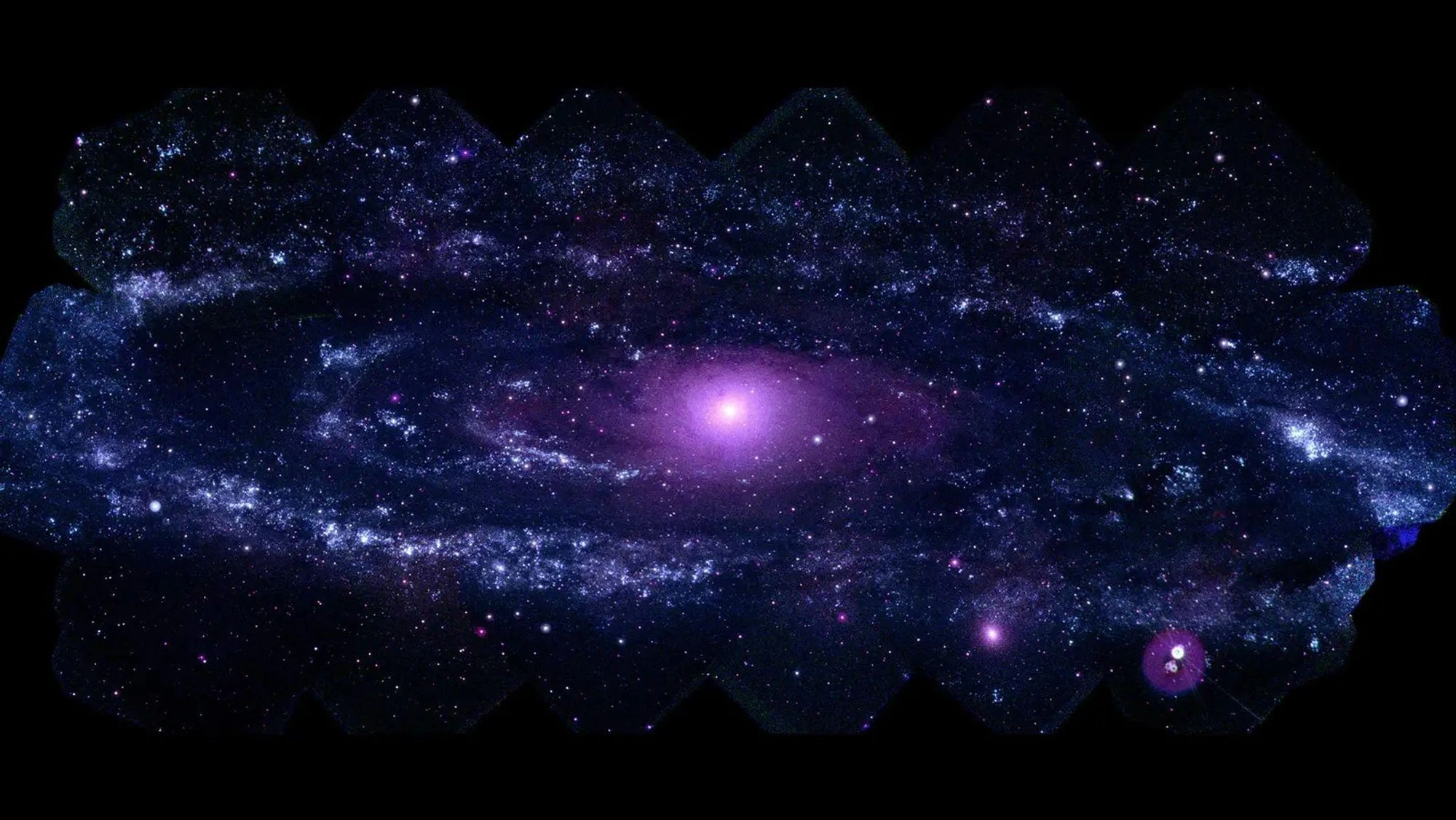
Its images, spectra and brightness measurements were not lost with the spacecraft. The publicly accessible science archive totals roughly 12 TB, allowing new comparisons with data from other observatories long after Swift stopped working.
What we think
For people who work with images, the defining feature of Swift was its speed. When a burst lasts only seconds, a powerful telescope is not enough: you have to point it at the right place before valuable information disappears. Swift was designed around that very problem, combining detection, rapid response and observations at different wavelengths.
The Andromeda mosaic also illustrates something photographers will appreciate: a scientific image can be constructed from many exposures and measurements rather than one single frame. What matters is a clear record of how the information was captured and presented. Swift may no longer photograph the sky, but its archive remains available to scientists asking questions that have not yet been imagined.