

Summary
- More than 1 million photos and videos were recovered from R.C.
- Horsch’s home.
- Horsch was known in erotic art circles and published more than a dozen photo books.
- Seven missing women have been linked to the home or the digital material.
- Police fear five are dead, but their bodies have not been recovered.
- By mid-September 2026, roughly 30% of the archive had been reviewed.
More than one million photos and videos recovered from the Philadelphia home of American erotic photographer and filmmaker R.C. Horsch have been linked to an investigation involving seven missing women, five of whom police fear are dead.
Horsch died in May 2025, but his vast personal archive is now at the center of an extensive investigation by Philadelphia police and federal authorities. By mid-September 2026, investigators had reviewed roughly 30% of the digital material and identified 58 people appearing in it.
Who was R.C. Horsch?
R.C. Horsch, born Raymond Charles Hoersch in 1943, was an American erotic photographer and filmmaker based in Philadelphia. He became well known in erotic art circles, publishing more than a dozen photo books, while his work was also featured in anthologies devoted to the subject.
He died in May 2025 at the age of 82. After his death, however, the discovery of his enormous archive placed the home where he lived, at 417 West Chew Avenue in Philadelphia’s Olney section, at the center of an investigation into the fate of multiple missing women.
More than one million photos and videos
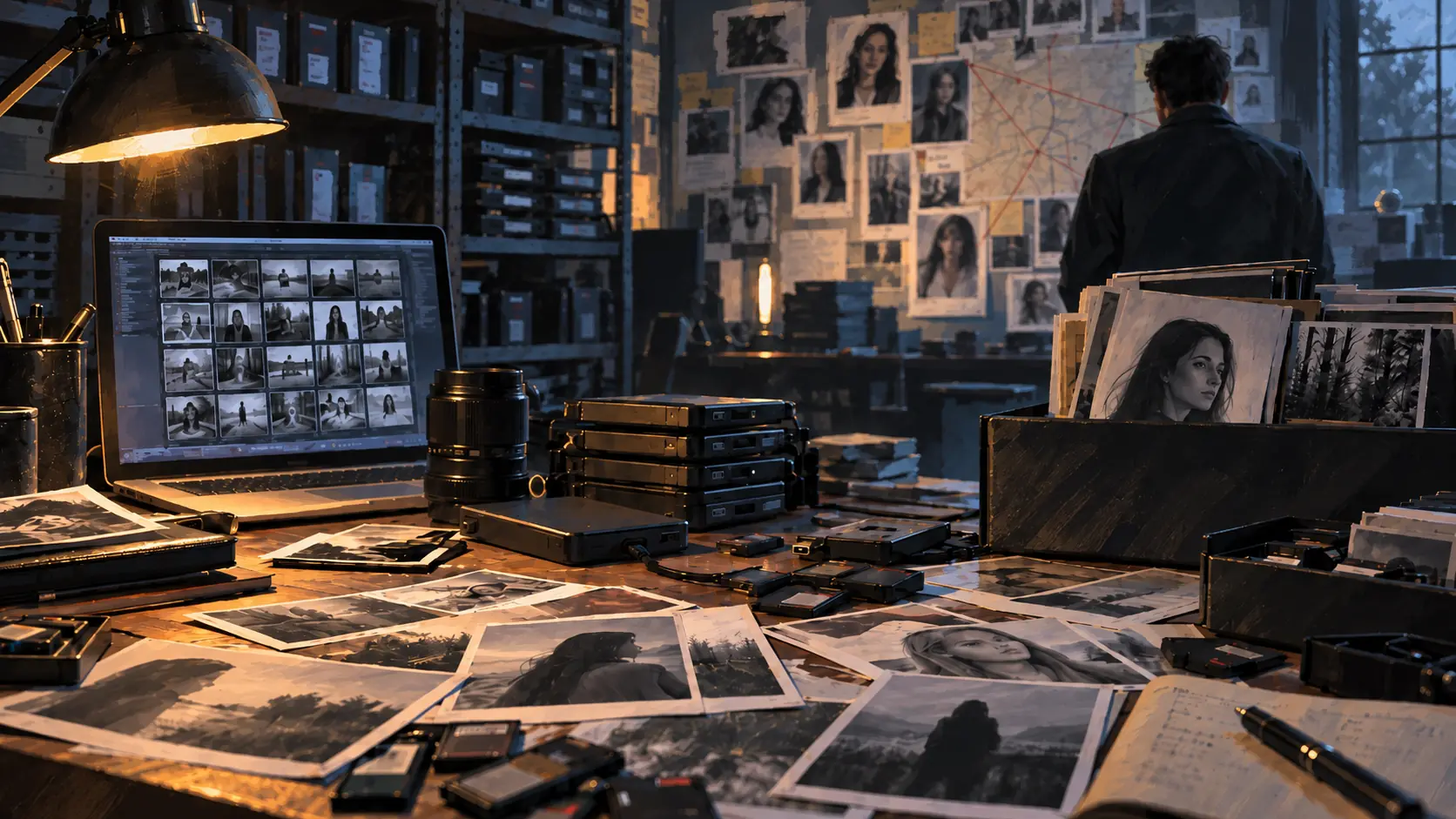
Authorities say more than one million digital photos and videos were recovered from the home Horsch shared with his son Eugene. Investigators have so far identified 58 people in the material.
The review is far from complete. Authorities say roughly 30% of the material has been examined, leaving hundreds of thousands of files still to be assessed. The FBI has increased its involvement and has stressed that the priority is a thorough review so investigators do not miss evidence that could identify a victim or provide answers to families.
Seven missing women linked to the archive
Seven women appearing in or connected to the material have been matched to missing-person cases spanning more than a decade. Police believe five of them are dead because photos or videos appear to show them unconscious, lifeless or injured. Their bodies, however, have not been recovered and the investigation remains open.
The five women police fear are dead are Blair Tonzelli, 35 when she was reported missing in 2023; Amy McHale, who disappeared in June 2016; Nicole Fusaro, 27 when she disappeared in 2018; Maribel Fresses, also 27 when she disappeared in 2018; and Gabrielle Amarando, who was 22 when she disappeared in 2012. McHale had previously been married to Horsch.
Police have emphasized that some of the material is deeply concerning, but the images alone do not establish exactly what happened to each woman. To date, investigators have not recovered human remains proving a homicide occurred inside the house.
The case began with a vehicle stop
The investigation expanded after an apparently unrelated incident on June 19, 2026. A federal park ranger approached a BMW near Philadelphia’s Independence Hall and encountered the photographer’s 44-year-old son, Eugene Horsch, and a woman.
According to authorities, two handguns, roughly $8,000 worth of illegal drugs and fraudulent federal law-enforcement credentials identifying Eugene Horsch as an officer were found in the vehicle. The woman with him used a false ID bearing the name Blair Tonzelli, who had been missing since 2023.
Eugene Horsch was arrested, and the subsequent search of the West Chew Avenue home led investigators to the huge digital archive. Five urns containing cremated remains were also found at the property. Authorities have made clear that their presence alone does not establish a link to the missing women.
Images as forensic evidence
The case illustrates how important a photographic and video archive can become in a forensic investigation. Investigators are not only reviewing what is visible in the images, but also metadata, creation dates, devices, file structures and connections to known missing-person cases.
In files already reviewed, authorities have used metadata to help date photos and videos. The process is demanding because investigators must corroborate what they see with other evidence before reaching conclusions about the identity or fate of the people depicted.
What we think
The R.C. Horsch case is an extreme example of how a private photographic archive can become a central body of evidence. For the photography world, the role played by the images and their metadata is particularly notable; at the same time, a strict distinction is needed between what the files appear to show and what authorities have actually established. With most of the archive still unreviewed and the women’s bodies not recovered, the investigation remains ongoing.
Frequently asked questions
Who was R.C. Horsch?
He was an American erotic photographer and filmmaker based in Philadelphia. He published more than a dozen photo books and his work appeared in anthologies of erotic art.
How large is the archive being reviewed?
More than one million digital photos and videos were recovered from the home. By mid-September 2026, roughly 30% had been reviewed.
How many missing women are linked to the case?
Seven women have been linked to the home or the digital material. Police fear five of them are dead.
Have the women’s bodies been recovered?
No. Authorities have repeatedly said the women’s bodies have not been recovered and that no physical evidence proving a homicide occurred inside the home has been found.