

Summary
- “The Match” was shot with URSA Cine 17K 65 and 12K LF.
- The production used the 65mm sensor for close portraits and reserved 12K/17K for cases where extra image information helped in post production.
- The interviews were designed as photographic portraits
- Why the URSA Cine 17K 65 was used for close portraits
- A six-meter screen and three cameras for spontaneous reactions
- Why the extended interviews were recorded mainly in 4K
- Post production was completed in DaVinci Resolve Studio
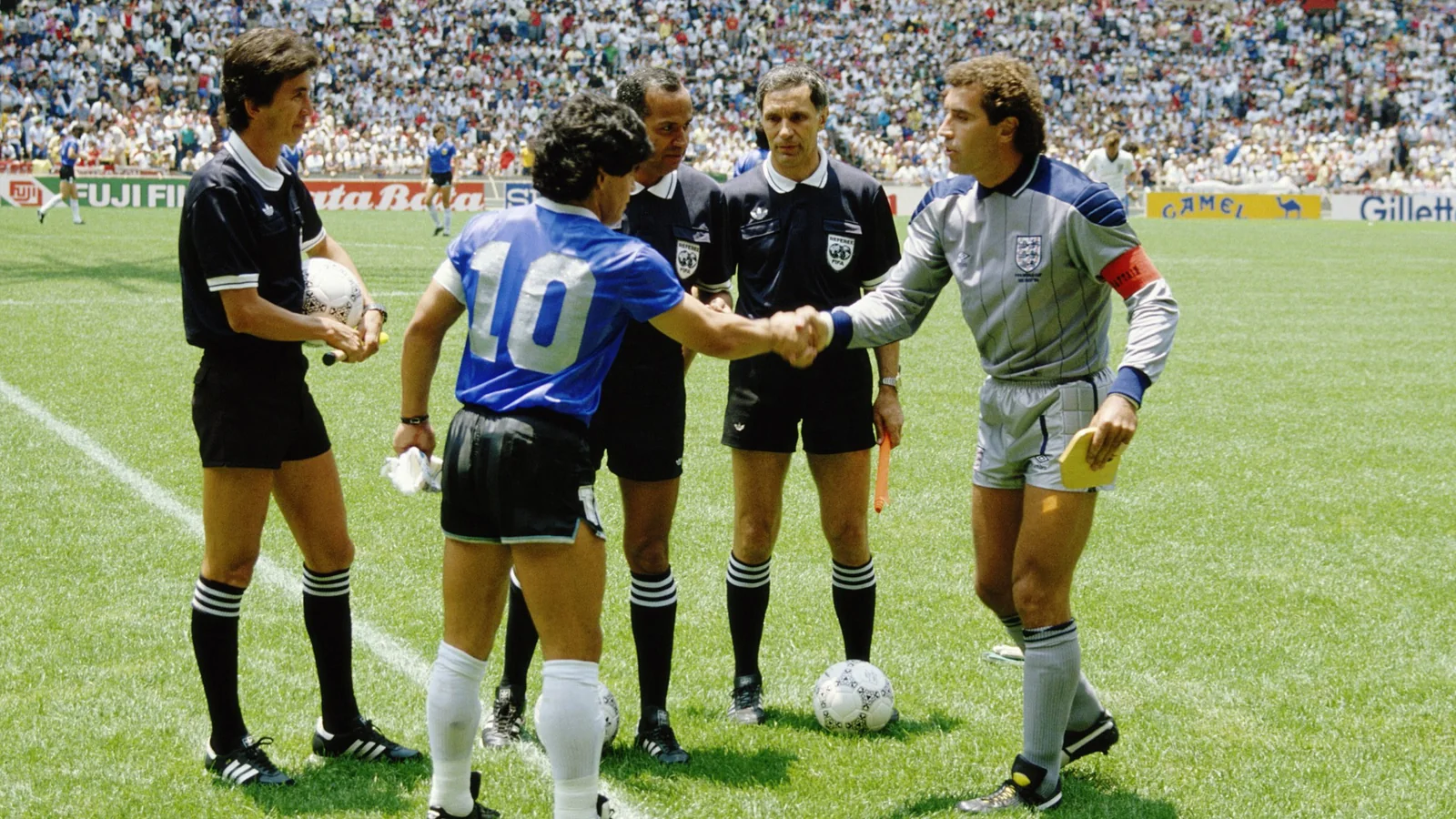
- The 1986 match as the narrative starting point
- What we think
- Frequently asked questions
“The Match” returns to the historic Argentina vs England quarterfinal at the 1986 FIFA World Cup and builds its present-day interviews as carefully controlled photographic portraits, with the Blackmagic URSA Cine 17K 65 at the center of the cinematography.
According to Blackmagic Design, the documentary by Juan Cabral and Santiago Franco was shot with the URSA Cine 17K 65 and URSA Cine 12K LF, while post production was completed in DaVinci Resolve Studio. Cinematography was led by Pablo García Gallego.
The film was presented as part of Cannes Premiere 2026 ahead of its theatrical release in Latin America and has been selected for the BFI London Film Festival.
The interviews were designed as photographic portraits
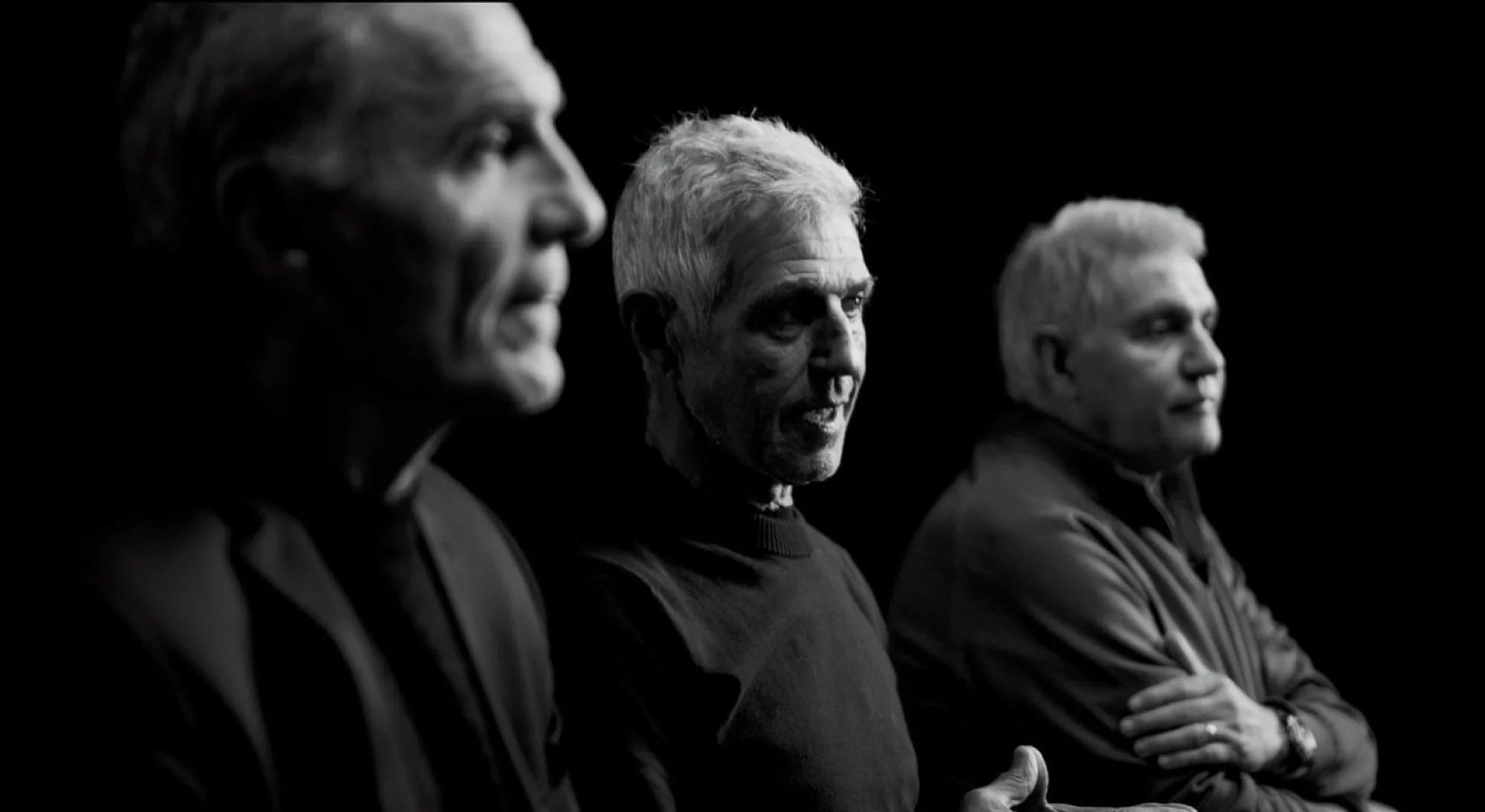
When García Gallego met the two directors, much of the documentary had already been edited from archival material. The remaining task was to film the interviews with former players, and the team chose a visual language clearly distinct from the television imagery of the match.
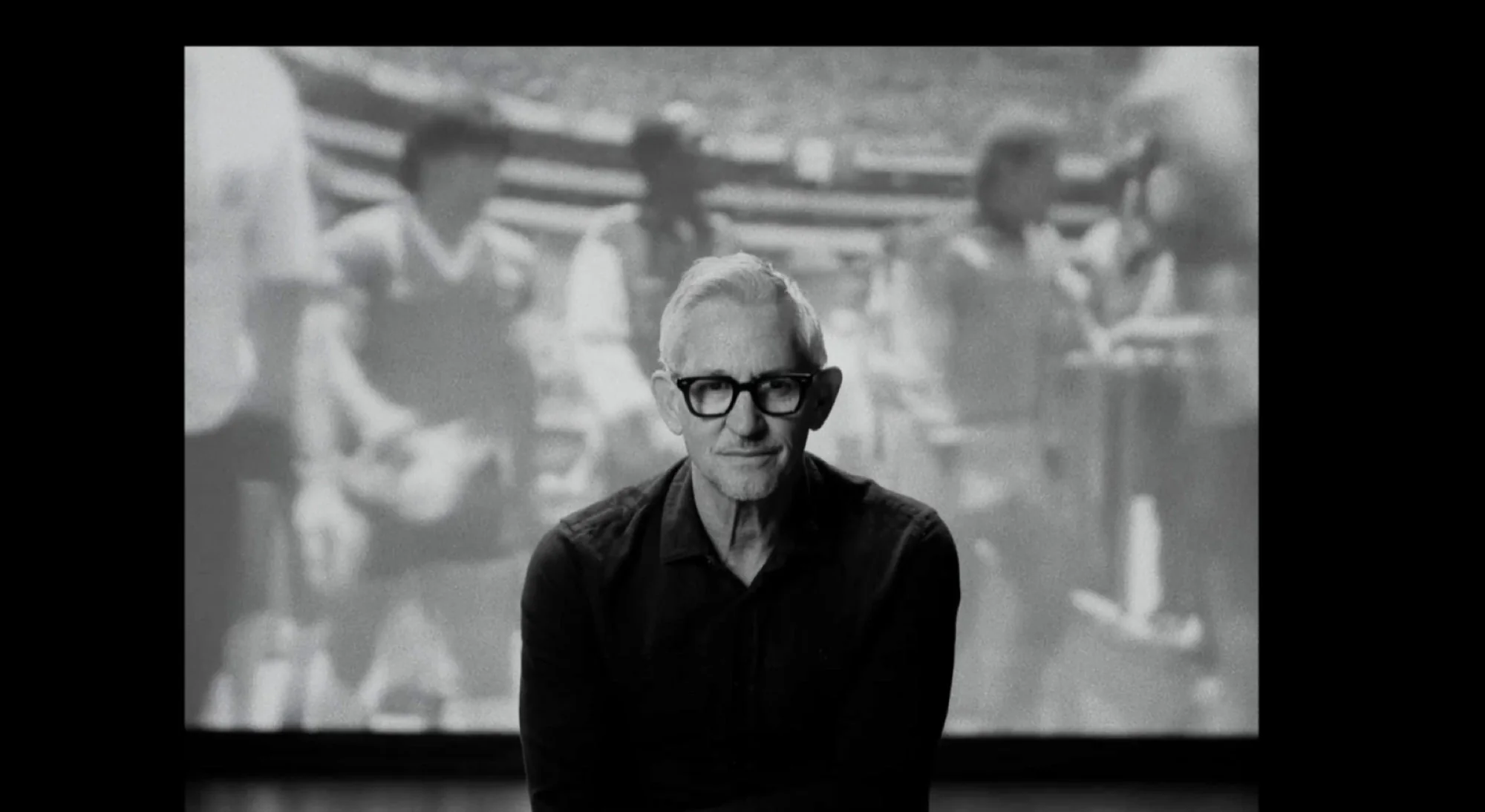
The approach used a monochrome image, strong black-and-white contrast and lighting that concentrated attention on faces. A large overhead rig provided the main source, while softer adjustable side lights shaped facial features and created stronger shadows against a black background.
The cinematographer’s aim was to treat each shot as a portrait and preserve even small reactions so the testimonies would feel more immediate.
Why the URSA Cine 17K 65 was used for close portraits
The URSA Cine 17K 65 was paired with a Mamiya Sekor C 65mm fixed lens and used specifically for the portraits. The choice of the larger 65mm sensor was not simply about recording at a very high resolution.
García Gallego explains that the larger sensor allowed him to place the camera physically closer to the interviewees while retaining portrait focal lengths and a natural perspective without pronounced facial distortion. Camera distance therefore became part of the intimacy he wanted to create.
A six-meter screen and three cameras for spontaneous reactions
During the interviews, the former players watched archival footage of the match on a six-meter projection screen. All three cameras rolled at the same time so spontaneous reactions would not be lost.
The projection did more than trigger memories. As the 1986 footage changed, the light falling on the participants changed as well, making the archival material itself part of the contemporary lighting treatment.
The URSA Cine 12K LF was paired with an Angénieux EZ-2 cine zoom. From the same position, García Gallego could quickly shift the composition from wider seated shots to tighter medium framing. Blackmagic also mentions a third camera but does not identify the model.
Why the extended interviews were recorded mainly in 4K
Although the production had 12K and 17K cameras available, the extended interviews were recorded primarily in 4K so they could continue for longer periods without interruption.
12K and 17K were used selectively when the additional image information provided a practical benefit in post production. For shots involving television screens, 12K supplied more detail for visual effects work while also allowing alternative compositions from the same take.
Post production was completed in DaVinci Resolve Studio
DaVinci Resolve Studio was used for editing, color grading, visual effects and final finishing. That workflow brought the 1986 archive, the new monochrome interviews and the higher-resolution material requiring additional work into the same post-production environment.
The 1986 match as the narrative starting point
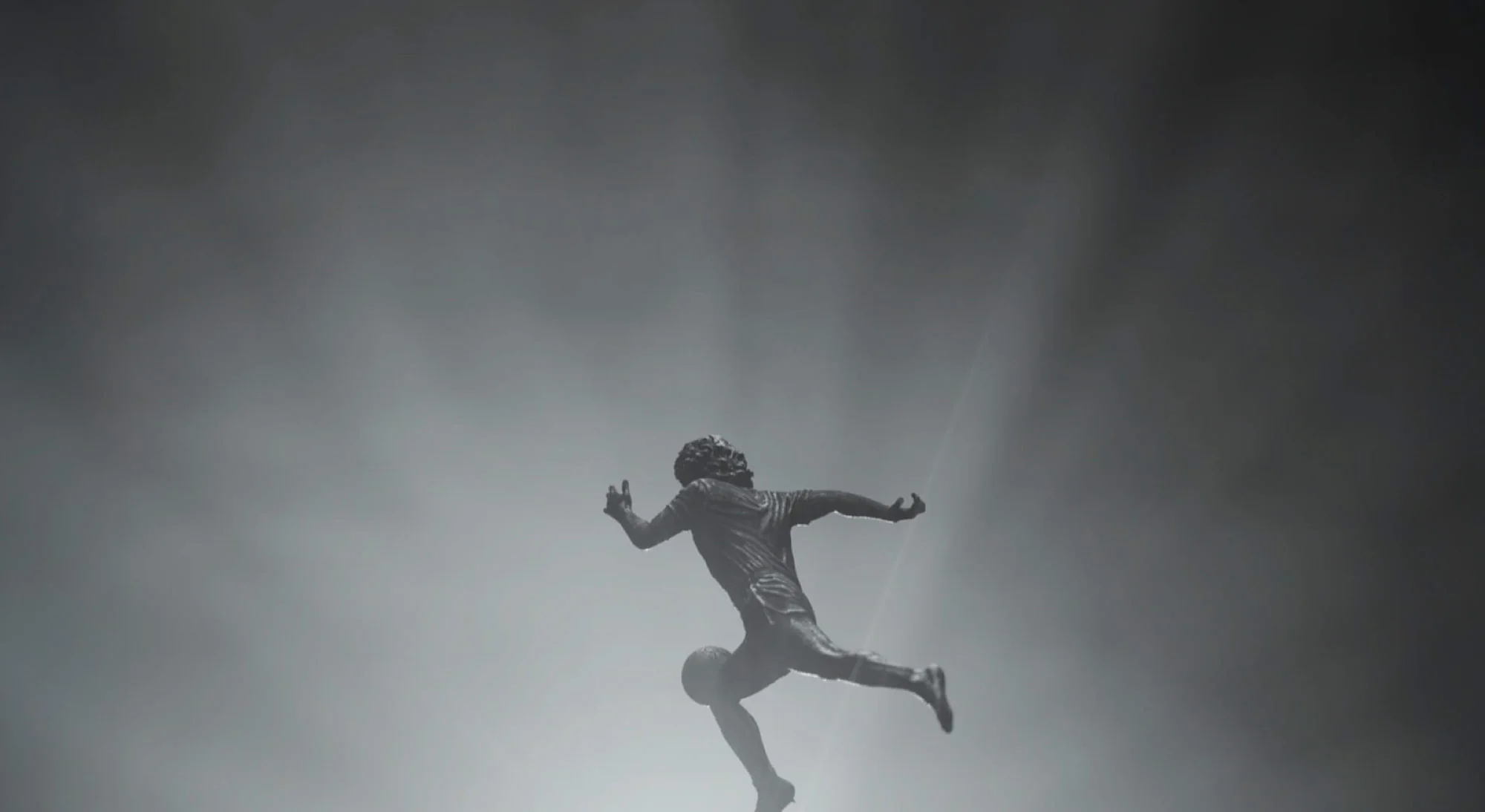
“The Match” revisits the quarterfinal played at Estadio Azteca in Mexico City, four years after the Falklands War. The game became famous for the goal known as the “Hand of God” and for Diego Maradona’s second goal four minutes later.
The documentary combines present-day testimony from former players of both national teams with archival footage, using the encounter between past and present as a central narrative device.
What we think
The most important point is not simply the 17K figure. The production shows how sensor size, focal length, camera distance and lighting can be designed together to support a specific sense of intimacy.
Just as notable is the decision to record the long interviews mainly in 4K and reserve 12K and 17K for situations where the additional image information delivered a concrete post-production benefit. It is a practical choice that puts the needs of the scene ahead of the camera’s maximum specification.
Frequently asked questions
Which cameras were used on “The Match”?
Blackmagic Design names the URSA Cine 17K 65 and URSA Cine 12K LF. A third camera was also used during the interviews, but its model is not specified in the official release.
Which lens was paired with the URSA Cine 17K 65?
The URSA Cine 17K 65 was paired with a Mamiya Sekor C 65mm fixed lens and served as the dedicated portrait camera.
Why were the interviews recorded mainly in 4K?
According to Blackmagic, 4K was chosen primarily for the extended interviews to allow longer uninterrupted takes. 12K and 17K were used where the extra image information was useful in post production.
How was archival footage used during filming?
The participants watched the match on a six-meter projection screen while three cameras captured their reactions. The changing projected light was incorporated into the visual treatment of the interviews.
Which software was used for post production?
DaVinci Resolve Studio was used for editing, color grading, visual effects and final finishing.