

Summary
- The penumbral phase begins at 04:23 Greece time.
- The clearly visible partial eclipse begins at 05:33.
- In Athens, the deepest visible moment is at 06:50 and moonset follows at 06:54.
- The global maximum, covering about 96% of the lunar surface, occurs at 07:12 below the Athens horizon.
- Timeanddate will stream the eclipse live from start to finish.
The deep partial lunar eclipse of August 28, 2026 begins in just a few hours. From Greece, the event will unfold very low in the west-southwestern sky shortly before sunrise.
At the global maximum, about 96% of the Moon’s visible surface will be inside Earth’s dark shadow. There is one important detail for observers in Greece: in Athens, the Moon will already have set by the time the eclipse reaches its true peak.
Lunar eclipse times for Greece
- 4:23 a.m.: The penumbral eclipse begins. The initial dimming is subtle and difficult to detect with the unaided eye.
- 5:33 a.m.: The clearly visible partial phase begins.
- 6:50 a.m.: The deepest visible moment in Athens, with the Moon only 0.4 degrees above the horizon.
- 6:54 a.m.: Moonset in Athens.
- 7:12 a.m.: Global maximum, when roughly 96% of the lunar surface is covered. The Moon is already below the Athens horizon.
Moonset varies slightly across the country. Western Greece may keep the Moon above the horizon for a few minutes longer, but an unobstructed west-southwestern horizon is essential everywhere.
Where to look
The Moon will be extremely low toward the west-southwest. A high viewpoint, a beach facing west or any location without buildings and mountains on the horizon will offer the best chance of seeing the eclipse.
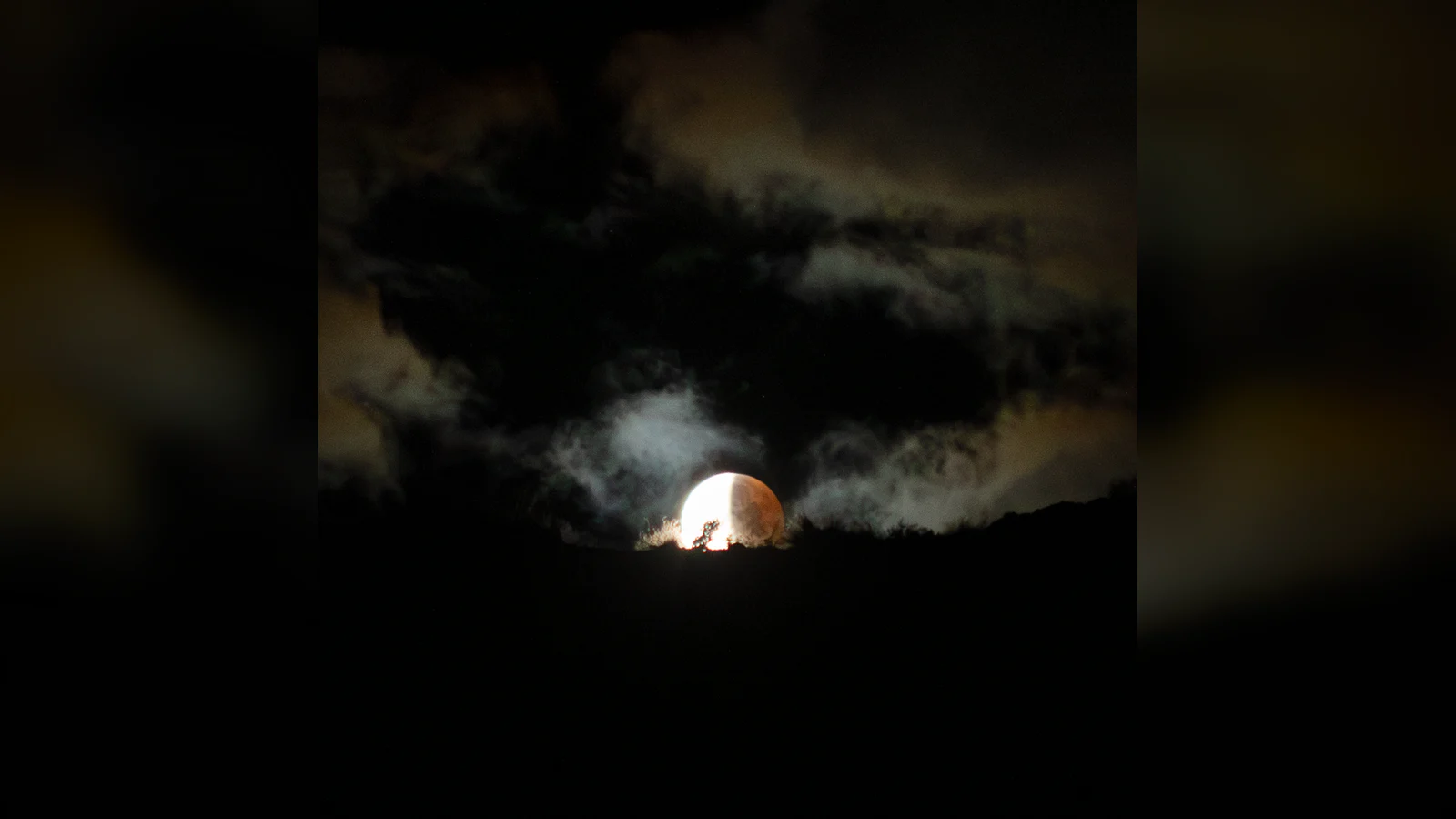
The Moon will darken while the dawn sky becomes brighter. This creates a demanding but highly photogenic window, with the reddish lunar disk close to the landscape.
Why reports mention 96%
This is a partial rather than a total lunar eclipse. At maximum, a very small part of the Moon remains outside Earth’s umbral shadow. The 96% figure refers to the portion of the lunar surface covered near the worldwide peak.
For Athens, timeanddate calculates a magnitude of about 0.863 at the last practical visible moment, 6:50 a.m. Local observers will therefore not see the full 96%, although they can still witness a very deep partial eclipse before moonset.
Watch the eclipse live
Observers without a clear horizon, or anyone who wants to follow the event through its global maximum, can watch timeanddate’s live broadcast.
No special equipment is required
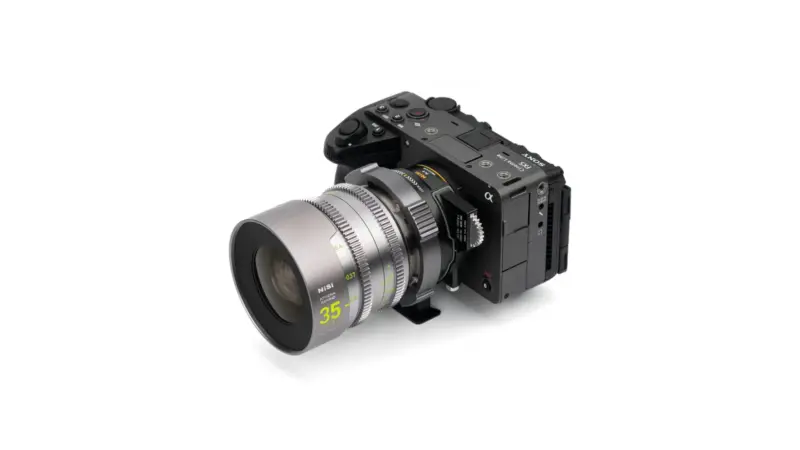
A lunar eclipse is safe to observe with the naked eye. Binoculars or a telephoto lens will reveal the curve of Earth’s shadow, color changes and more detail across the lunar surface.
For camera settings and practical shooting advice, read PTTL’s guide to photographing the August 28 full moon and lunar eclipse.
What to remember
The main observing window in Greece runs from 5:33 a.m. until moonset. In Athens, it closes at 6:54 a.m.; the true maximum at 7:12 a.m. will only be available through live coverage or from regions where the Moon remains above the horizon.