

Summary
- The lost Faust Bible brings together roughly 400 production photographs and drawings from 1926.
- The artifact was long believed lost before the Cinémathèque française acquired it in 2017.
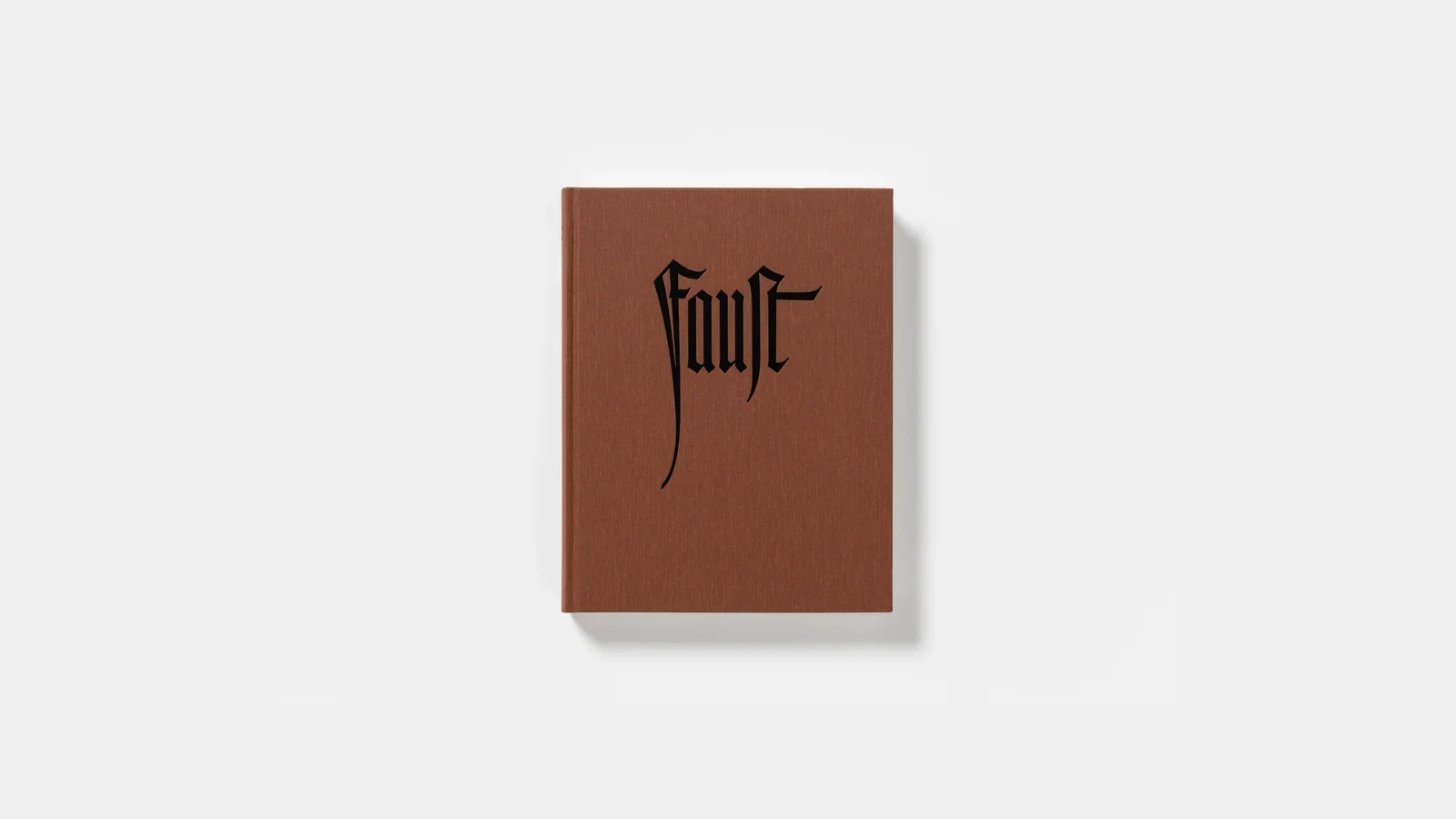
- MUBI Editions is reproducing it in full in a new hardcover book.
- The images reveal practical effects, sets and the design of Murnau’s lighting.
A long-lost production “Bible” from F. W. Murnau’s Faust reveals, a century later, how some of silent cinema’s most remarkable images were actually made.
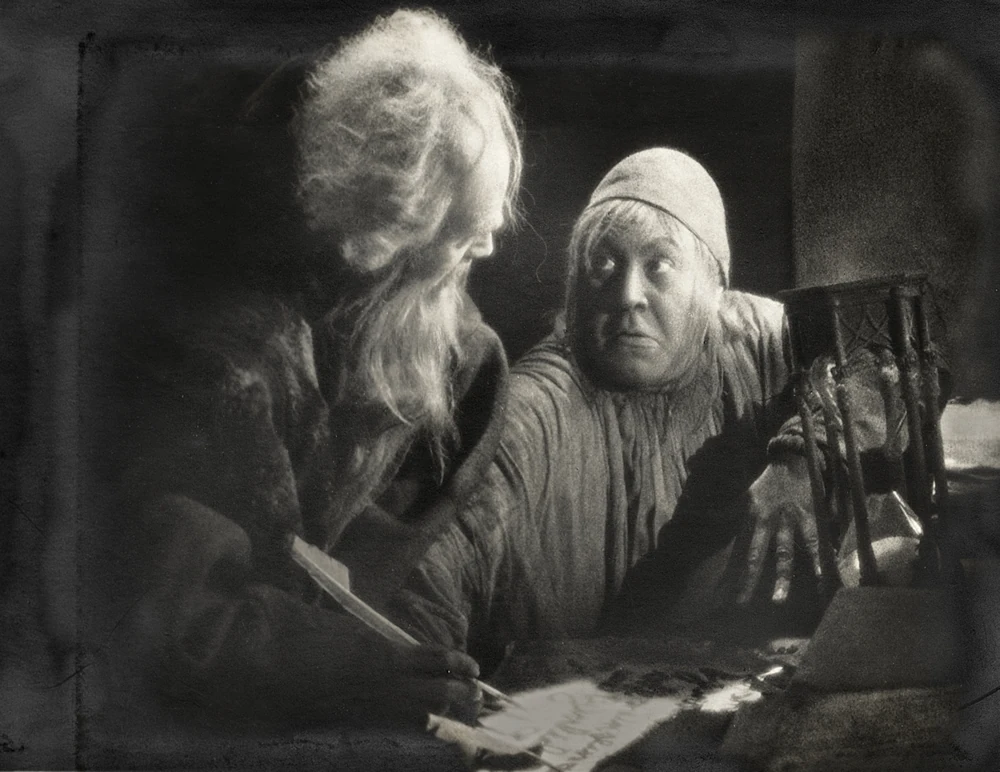
This is far more than a collection of film stills. The Faust Bible: The Making of F. W. Murnau’s Masterpiece, published on October 17, 2026 by MUBI Editions in partnership with the Cinémathèque française, reproduces a genuine production artifact: a keepsake book containing roughly 400 photographs and drawings documenting the making of the film almost step by step.
A production Bible lost for decades
The collection was assembled by key members of the 1926 production: production designer Robert Herlth, cinematographer Carl Hoffmann and production designer Walter Röhrig. The material was placed inside a Bible used as a film prop and presented to Murnau after filming, shortly before his move from Germany to Hollywood.
The object disappeared from view for decades and was believed to have been destroyed during World War II. The Cinémathèque française acquired it in 2017 and undertook its restoration. Its contents are now being reproduced in full for the first time.
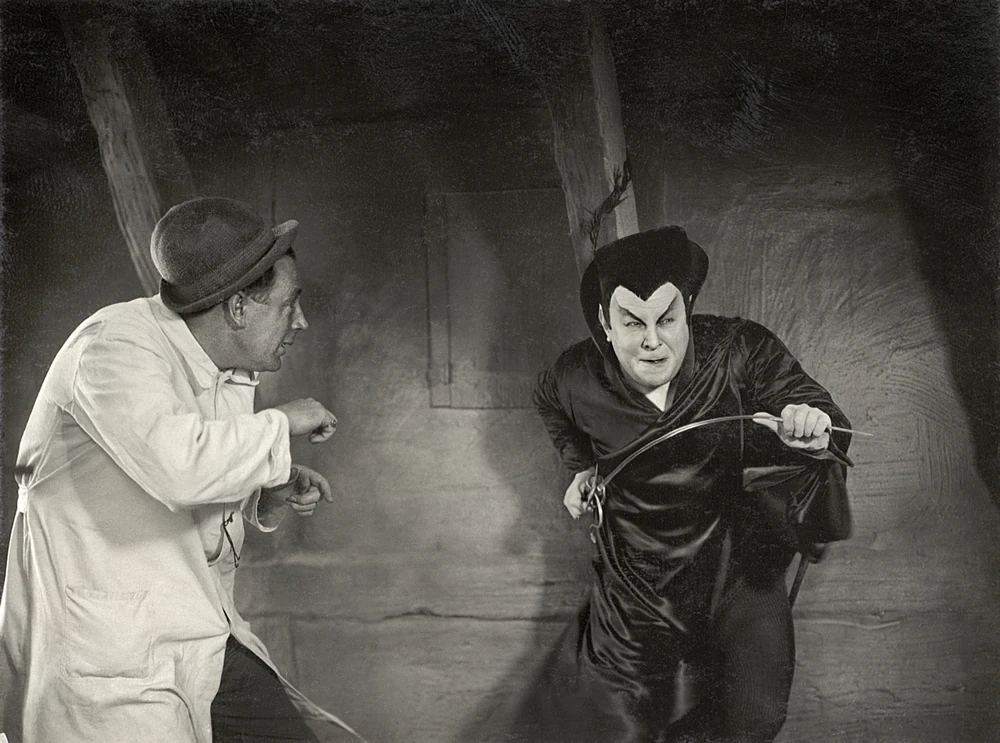
How the world of Faust was built
The film was shot at Berlin’s Tempelhof studios, starring Gösta Ekman as Faust, Emil Jannings as Mephistopheles and Camilla Horn as Gretchen. Inspired by German Expressionism, Goethe and Rembrandt, its creators built a complete visual world rather than relying on performance alone.
For filmmakers, the behind-the-scenes photographs are especially valuable because they show the gap between the finished image and the reality of its construction. Ladders, crew members and physical structures become visible, revealing the machinery normally hidden outside the frame.
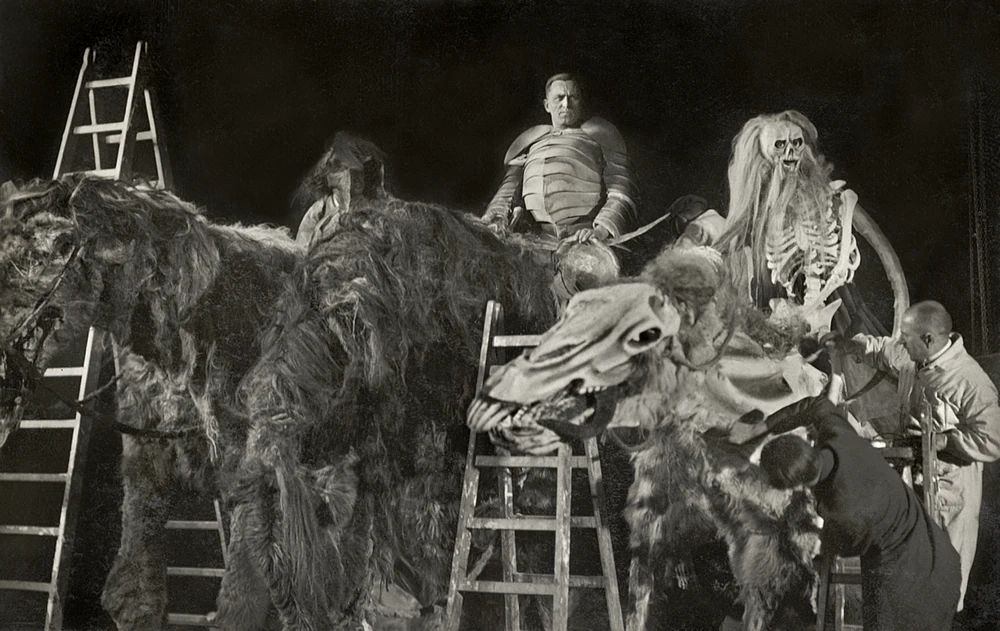
Lighting was just as central. Murnau and Hoffmann sought deep shadows, luminous outlines, smoke and pronounced contrast, designing sets and custom solutions around the shadows they wanted the camera to capture. Light here does not simply decorate the drama: it defines the space and emotional temperature.
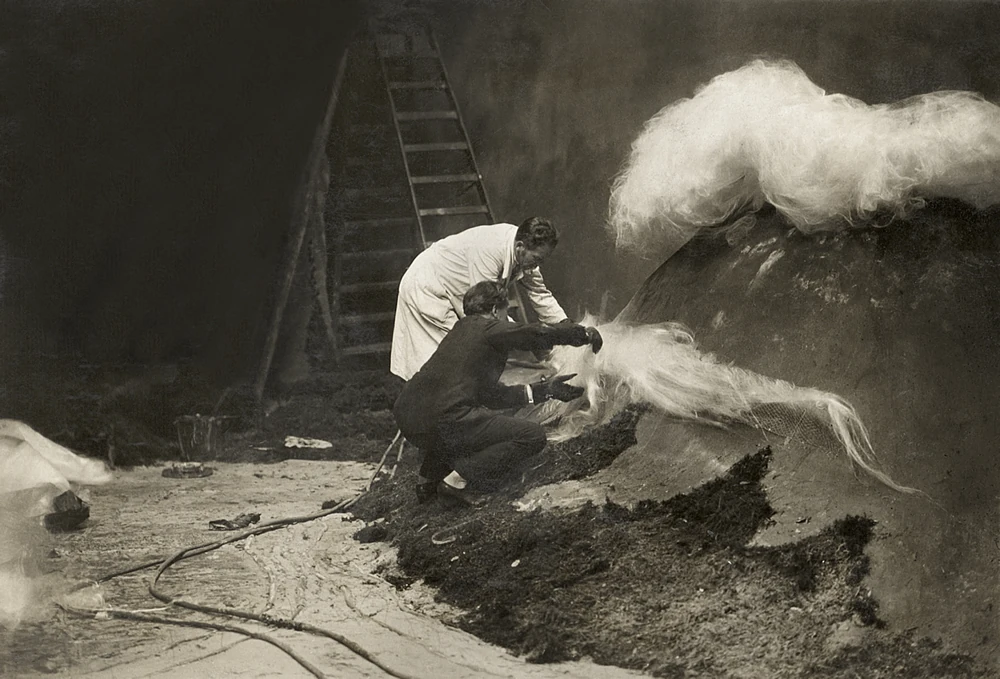
From drawing to cinematic frame
The original drawings and book pages reveal the relationship between visual planning, production design and cinematography. Before digital previs, filmmakers tested images through sketches and then built them with physical materials, lighting and practical effects.
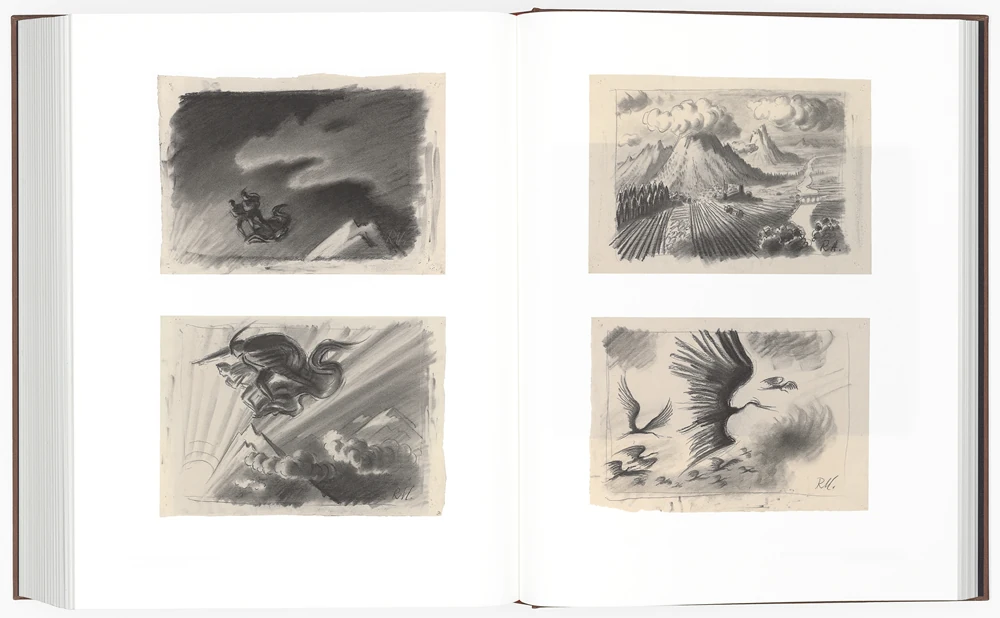
The finished film image becomes more revealing when viewed alongside such records: the construction process can be compared directly with what audiences finally saw.
Publication and availability
The volume is overseen by Laurent Mannoni of the Cinémathèque française, who contributes an essay on the artifact’s discovery. Stefan Drössler of Filmmuseum München examines the production history, while K. J. Relth-Miller of the Academy Museum of Motion Pictures explores the film’s lasting influence.
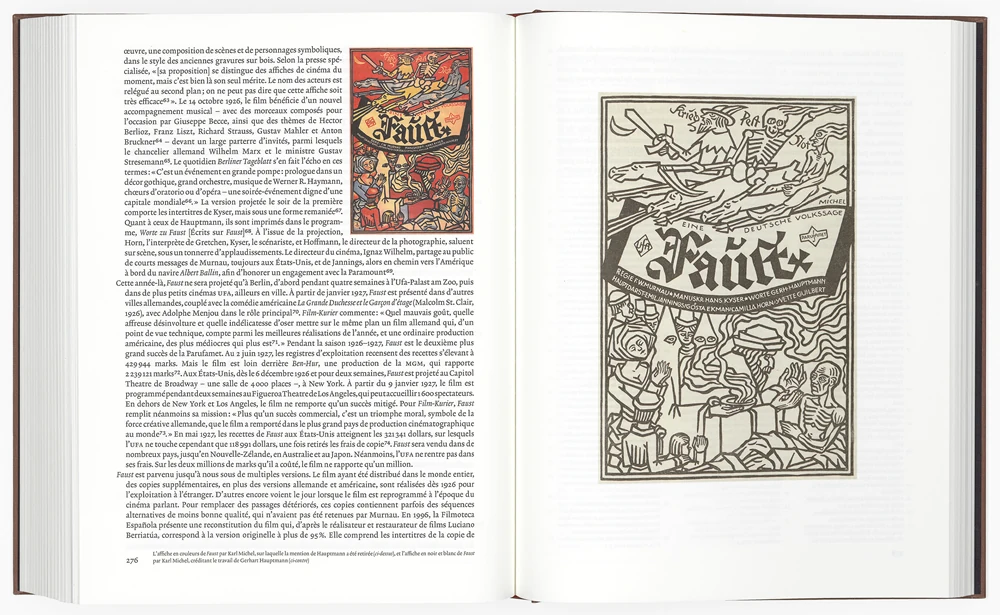
MUBI lists its international hardcover edition at 362 pages and $100 in the US. The Cinémathèque française lists 354 pages and €85 for its own edition entry. These are separate publisher listings and should not be collapsed into one specification. A screening of Faust in Paris on October 17 accompanies the launch.
Murnau’s images still speak to filmmakers today. From silent-era expressionist lighting to the contemporary cinematic treatment of Gothic horror, shadow remains a deliberate storytelling choice rather than simply a lack of illumination.
What we think
The greatest value of this publication is how clearly it brings the craftspeople back into the story. An apparently effortless supernatural image depends on designers, camera crews, stagehands and many specific technical decisions. These photographs let us see their collaboration, not merely admire the result.
It also offers a rare opportunity to study lighting as something designed into a scene from the start. Murnau did not wait until editing to discover the atmosphere. It was shaped alongside the space, actors and effects. That approach has practical relevance for filmmakers today, however different their equipment may be.
Preserving the original object matters as much as publishing it. Without conservation and restoration, this part of film production history would remain largely invisible. The book is valuable because it preserves a process, not just the story of a finished film.The book The Faust Bible: The Making of F. W. Murnau’s Masterpiece will be released on October 17, 2026, by MUBI Editions as a 362-page hardcover, priced at $100 in the United States. Those interested in obtaining a copy can find more information and place an order through the official MUBI Editions website. Meanwhile, the Cinémathèque française also presents its French-language edition, comprising 354 pages, with a listed price of €85.
Frequently asked questions
What is the Faust Bible?
It is an original keepsake book containing roughly 400 production photographs and drawings from Faust (1926), presented to director F. W. Murnau.
When is the book being published?
The international release of The Faust Bible is scheduled for October 17, 2026.
Where is the original kept?
The original is held by the Cinémathèque française, which acquired it in 2017 and carried out conservation and restoration work.