

Summary
- The Pixel 11 Pro XL camera scored 168 points and ranks fifth at DXOMARK
- Photography scored 171, with strong exposure, colour, autofocus and portraits
- The 5x telephoto improved significantly and retains more natural detail at long distances
- The ultrawide loses detail, particularly in demanding light
- Video scored 162 and falls behind in low light and stabilisation
- How DXOMARK conducted the test
- The scores behind fifth place
- Photography is the main advantage
- Autofocus and faces: consistent, with some limits
- Portraits have moved closer to the iPhone
- The 5x telephoto is the meaningful upgrade
- The ultrawide remains the weak point
- Video remains behind the leaders
- Official video samples from the test
- Price and availability
- What we think
- Frequently asked questions
The Google Pixel 11 Pro XL scored 168 points in DXOMARK’s camera test and climbed to fifth place in the global ranking.
DXOMARK published its full camera evaluation of Google’s new flagship on August 21, 2026, examining photography, zoom and video in laboratory and real-world conditions. The overall score places the device in the global top five, with still photography proving clearly stronger than video.
The result matters because it is not based on a handful of eye-catching samples. It comes from thousands of captures, objective measurements and comparative assessments by image experts, revealing both the consistency of the main camera and the progress of the 5x telephoto, as well as the limitations of the ultrawide and video stabilisation.
How DXOMARK conducted the test
In its full Pixel 11 Pro XL camera test, DXOMARK says that a team of engineers and technicians spends about a week evaluating each smartphone. The photo protocol includes more than 3,800 images, while almost three hours of video are recorded and examined.
Measurements take place in both real-life scenes and controlled laboratory environments, with illumination ranging from 0.1 to more than 10,000 lux and colour temperatures from 2,300K to 6,500K. The final score combines results produced by measurement software with perceptual comparisons performed by a panel of image experts.
The scores behind fifth place
The 168 figure is the overall Camera score, not a simple percentage. DXOMARK combines separate photo and video evaluations, with individual tests for the main camera, bokeh, ultrawide and telephoto. On the test page, the Pixel 11 Pro XL is listed fifth in the global ranking.
| Test | Pixel 11 Pro XL score | Top reference score |
|---|---|---|
| Overall Camera score | 168 | — |
| Photo | 171 | 180 |
| Photo Main | 178 | 184 |
| Bokeh | 170 | 185 |
| Photo Ultrawide | 160 | 175 |
| Photo Tele | 151 | 173 |
| Video | 162 | 172 |
| Video Main | 173 | 186 |
| Video Ultrawide | 147 | 151 |
| Video Tele | 119 | 140 |
The key scores from the Google Pixel 11 Pro XL camera test. Source: DXOMARK
Photography is the main advantage
With a Photo score of 171, the Pixel 11 Pro XL stands out for accurate exposure, extended dynamic range and consistent colour rendering. DXOMARK recorded vivid but pleasant colours, natural skin tones and stable autofocus in most conditions.
The 50MP main camera uses a 1/1.3-inch type sensor and an f/1.68 lens. It scored 178 in the main photo evaluation, with sub-scores of 134 for exposure, 139 for colour, 120 for sharpness and timing, 123 for texture and 122 for noise. The balance between detail and noise reduction remains good even as light levels decrease.

The weaknesses have not disappeared. Contrast can become slightly excessive in very bright or HDR scenes, while occasional exposure instabilities appear at night. DXOMARK also observed minor artifacts around complex subjects, particularly when face-detail enhancement and depth-of-field processing intervene.
Autofocus and faces: consistent, with some limits
Autofocus is described as stable and accurate, with reliable focus acquisition and tracking. Depth-of-field extension helps when two faces are positioned at different distances, preserving more detail on both. Minor computational artifacts can still appear around complex outlines.
Portraits have moved closer to the iPhone
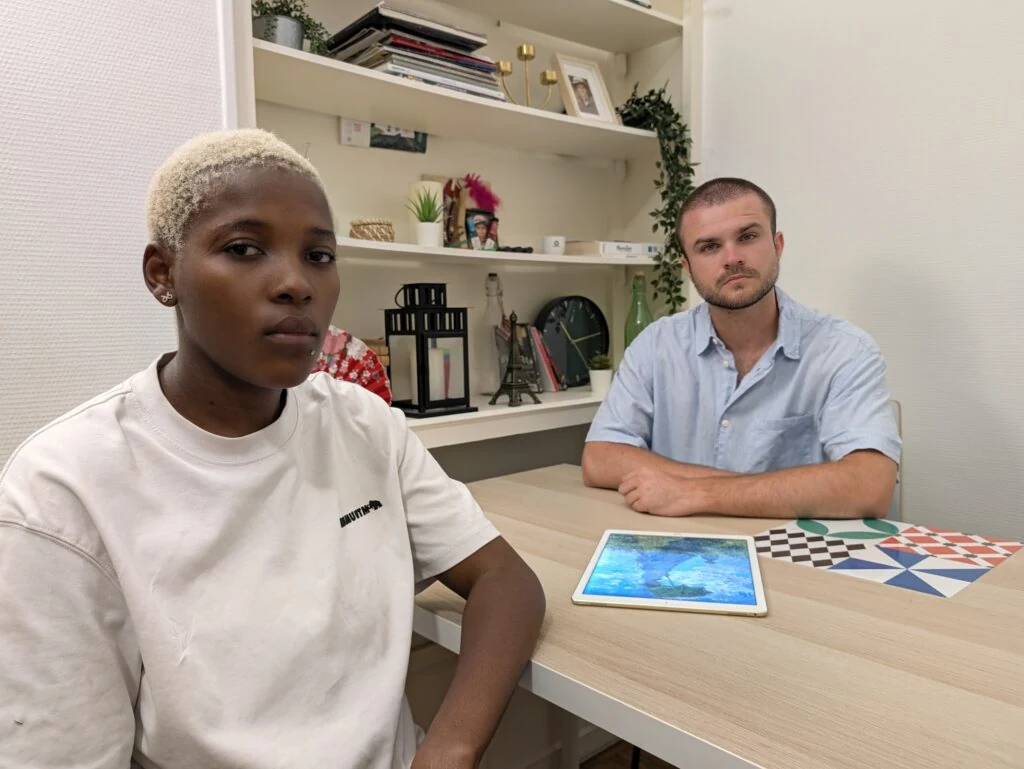
The Pixel 11 Pro XL scored 170 for bokeh. Subject separation is generally accurate and the blur transition is progressive, producing a more natural background than the previous generation. DXOMARK says the gap to the iPhone 17 Pro has effectively narrowed, although the iPhone still preserves slightly better facial texture and cleaner segmentation of fine details.
The latest Vivo and Oppo devices remain ahead in overall bokeh quality, so the Pixel’s progress is significant without making it the market leader for portraits.

The 5x telephoto is the meaningful upgrade
The 48MP periscope camera uses a 1/1.95-inch type sensor, an f/2.8 lens, optical image stabilisation and 5x optical zoom. According to DXOMARK, the new telephoto offers 30% higher light sensitivity than the previous generation, while Pro Zoom now extends to 120x.
Its score of 151 is not class-leading — the top reference score in this test is 173 — but the practical improvement is clear. Fine detail looks more natural and noise remains lower at long focal lengths. Above 5x, the Pixel often outperforms the iPhone 17 Pro, without consistently matching the strongest telephoto systems on the market.

The ultrawide remains the weak point
The 48MP ultrawide, with a 1/2.51-inch type sensor and an f/1.7 lens, scored 160 in photography. DXOMARK found some loss of fine detail across different lighting conditions and weaker texture preservation than the main camera. The same pattern appears in video, where the ultrawide scored 147 and loses more information in complex or low-light scenes.
Video remains behind the leaders
For video, the Pixel 11 Pro XL scored 162, compared with the iPhone 17 Pro’s reference score of 172 on the page. In ordinary conditions it delivers reliable exposure, vivid colours and stable autofocus, with the main camera reaching 173 points.
The gap widens in demanding scenes. DXOMARK recorded residual motion during stabilisation, small sharpness variations, darker faces in strong backlight and visible noise as illumination falls. Stabilisation scored 115 and video noise 110, both notably below the corresponding leading results.
Official video samples from the test
DXOMARK’s first clip shows exposure and contrast behaviour on the Pixel 11 Pro XL.
The second sample evaluates colour rendering during recording.
The third clip focuses on autofocus acquisition and smoothness.
The final sample demonstrates stabilisation while moving, with some blurred frames remaining in more difficult conditions.
Price and availability
The Google Pixel 11 Pro XL has been available in selected European markets since August 20, 2026, starting at €1,399 for the 256GB version. More information about configurations, colours and availability is available on the official Pixel 11 Pro and Pro XL product page. Official availability and final pricing in Greece may vary by retailer and importer.
What we think
Fifth place confirms that the Pixel 11 Pro XL belongs among the strongest camera phones, but the breakdown is more useful than the headline score of 168. The main camera, colour, exposure, portraits and improved telephoto combine into a highly consistent photography system. The ultrawide, and especially demanding video, show that Google has not yet closed every gap to the leading rivals. For users who prioritise still images and zoom beyond 5x, the progress is meaningful; video creators should examine the limitations more carefully.
Frequently asked questions
What score did the Pixel 11 Pro XL receive from DXOMARK?
It received an overall Camera score of 168 and is listed fifth in DXOMARK’s global ranking.
Is it the best camera smartphone?
No. Fifth place ranks it very highly, but several devices have a higher overall score or stronger results in specific areas.
What is the camera’s strongest area?
Photography, with 171 points, is its strongest area. DXOMARK highlights exposure, colour, autofocus, the balance between detail and noise, portraits and the improved 5x telephoto.
Where does it fall behind most clearly?
The ultrawide loses fine detail in difficult conditions, while video shows more limitations in low light, dynamic scenes and stabilisation.