

Summary
- Galaxy S26 received an overall DXOMARK camera score of 146 and ranked 47th globally on August 26.
- In DXOMARK’s database it sits behind Pixel 8 (148) and iPhone 16 (147), while tying iPhone 14 Pro and Pro Max.
- Strengths include pleasant color, wide dynamic range, a balanced texture/noise compromise and effective stabilization.
- Weaknesses include autofocus instability, artifacts in difficult scenes, hue shifts and limited long-range zoom.
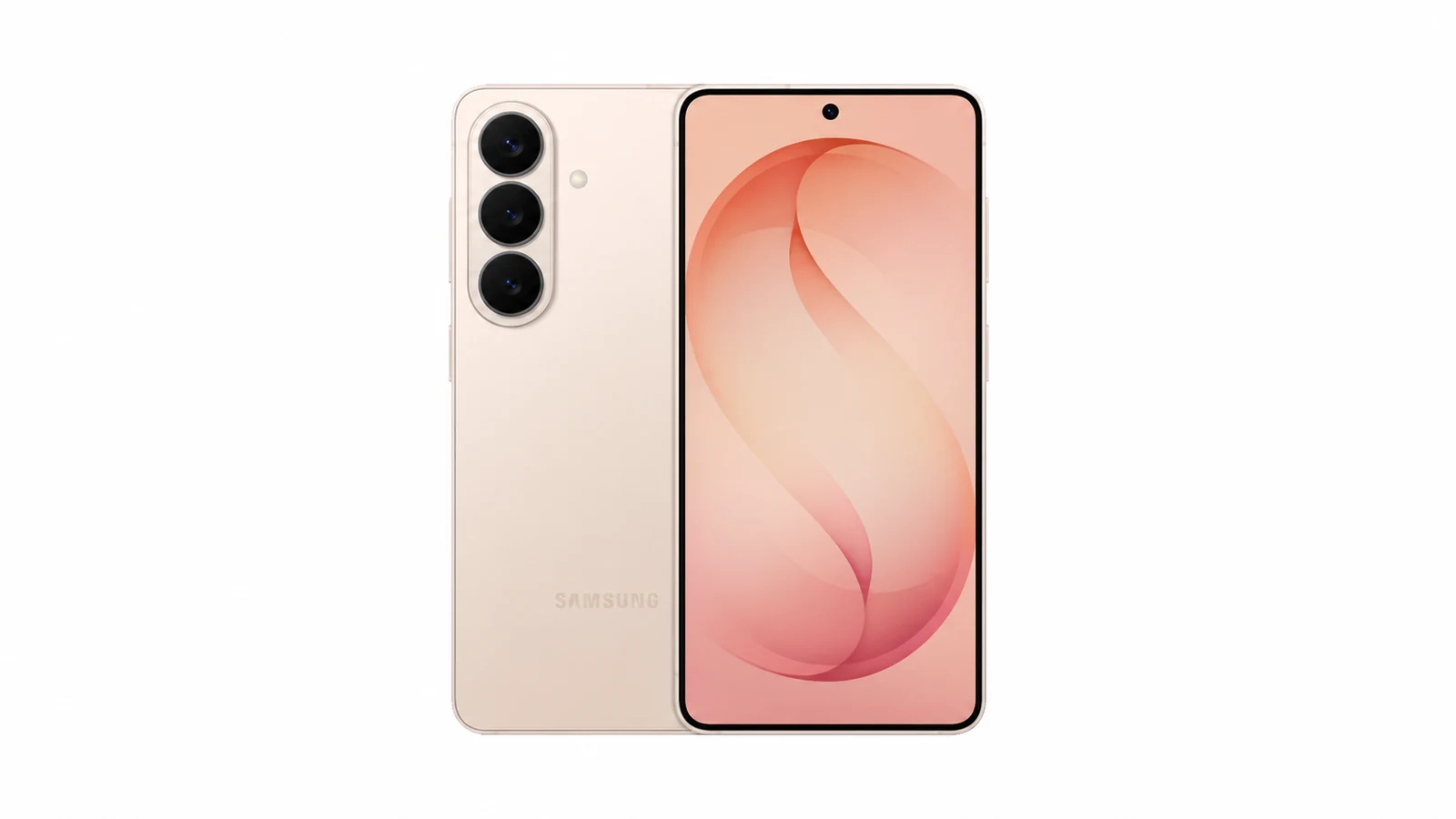
The standard Samsung Galaxy S26 received an overall camera score of 146 in DXOMARK’s new test, with good video and everyday photography performance but a lower position than some older iPhones and Pixels in this particular ranking.
This does not mean that the S26 camera is universally worse. The result applies to DXOMARK’s protocol, measurements and test conditions. Its value is in showing exactly where the phone performs well and where its limitations appear.
Score and ranking
DXOMARK’s result card gives Galaxy S26 a camera score of 146. On August 26, 2026, it was listed 47th in the global ranking. Positions change as devices are added, so the date matters.
| Device | DXOMARK camera score |
|---|---|
| Google Pixel 8 | 148 |
| Apple iPhone 16 | 147 |
| Samsung Galaxy S26 | 146 |
| Apple iPhone 14 Pro / Pro Max | 146 |
The one- or two-point differences should not become an absolute verdict for every photo, because different categories favour different devices.
How DXOMARK tests cameras
DXOMARK combines objective laboratory measurements with perceptual evaluation by image experts in real scenes. It reports more than 3,800 still images captured from 0.1 to above 10,000 lux and between 2,300K and 6,500K, plus almost three hours of video.
Tests use default settings and combine photo, zoom and video results. The methodology aids comparison but does not cover every Pro mode, RAW workflow or personal rendering preference.
Sub-scores
- Photo: 144
- Main photo: 153
- Ultra-wide photo: 143
- Tele photo: 116
- Video: 151
- Main video: 158
- Ultra-wide video: 142
- Tele video: 125
Video is one of the strongest areas, while tele performance is the clearest limitation. Galaxy S26 uses a 10MP 3x module with a small 1/3.94-inch sensor and no dedicated long-range periscope.
Where it performed well
DXOMARK found accurate target exposure and relatively wide dynamic range in many conditions. Color is saturated and pleasant, while the texture/noise compromise is balanced in everyday scenes.
The relatively wide depth of field can also keep more faces sharp in small group portraits.
Low light
Galaxy S26 scored 121 in the low-light use case. Target exposure remained generally accurate, but visible noise, loss of fine texture and occasional white-balance casts became more apparent as light decreased.
Autofocus and artifacts
The test identifies occasional autofocus instability, blur artifacts around edges and depth transitions in difficult scenes, and visible hue shifts in skies. These do not affect every image, but they reduce consistency.
Zoom: the weakest area
The zoom use-case score is 119 and the tele photo sub-score 116. The lack of a dedicated long-range camera limits detail at higher magnifications. This matches our earlier Galaxy S26 camera guide: the standard S26 and S26+ retain conservative hardware, while the larger optical upgrades are concentrated in Ultra.
Video: one of its best qualities
Galaxy S26 scored 151 for video and 158 for its main video camera. DXOMARK praises stabilization, controlled noise and consistent color. Its main limitation is exposure adaptation, which can produce visible brightness fluctuations as lighting changes.
What the comparison with iPhone 16 and Pixel 8 means
Pixel 8 and iPhone 16 sit slightly higher in DXOMARK’s database, but the gap is only one or two points. It does not mean that every night photo or video will be better on the older phones. It means they achieved a marginally higher total within the protocol.
For Greek buyers, PTTL has already documented official local prices and the S26 family’s camera differences. The DXOMARK result now adds an independent laboratory assessment.
What we think
Galaxy S26 did not fail as a camera phone. The test shows a balanced system with reliable everyday stills and particularly good video, but tele hardware limits that processing cannot fully erase.
The correct reading of 146 is: a good compact flagship, not a class-leading camera flagship. Long-range zoom users should look to Ultra or rivals with larger tele sensors. People who mostly shoot at 1x, photograph people and record video will see a more positive picture than the ranking number alone suggests.
Frequently asked questions
What score did Galaxy S26 receive?
DXOMARK’s result card lists an overall camera score of 146.
Is it worse than iPhone 16?
It is one point lower in this database. That does not mean it is worse in every shooting condition.
What is its strongest camera area?
Video, particularly stabilization, color and controlled noise.
What is the main weakness?
Long-range zoom, due to the small 3x tele module and lack of a dedicated long telephoto camera.