Summary
- Netflix has released the trailer for «Marcos: Otro mundo es posible».
- The documentary premieres on December 2, 2026.
- Its research included more than 5,000 hours of archival material and dozens of interviews.
- Diego Enrique Osorno combines Zapatista history, previously unseen footage and newly shot 16mm material.
More than 5,000 hours of archival material were researched for Netflix’s new documentary about Subcomandante Marcos and the Zapatista movement.
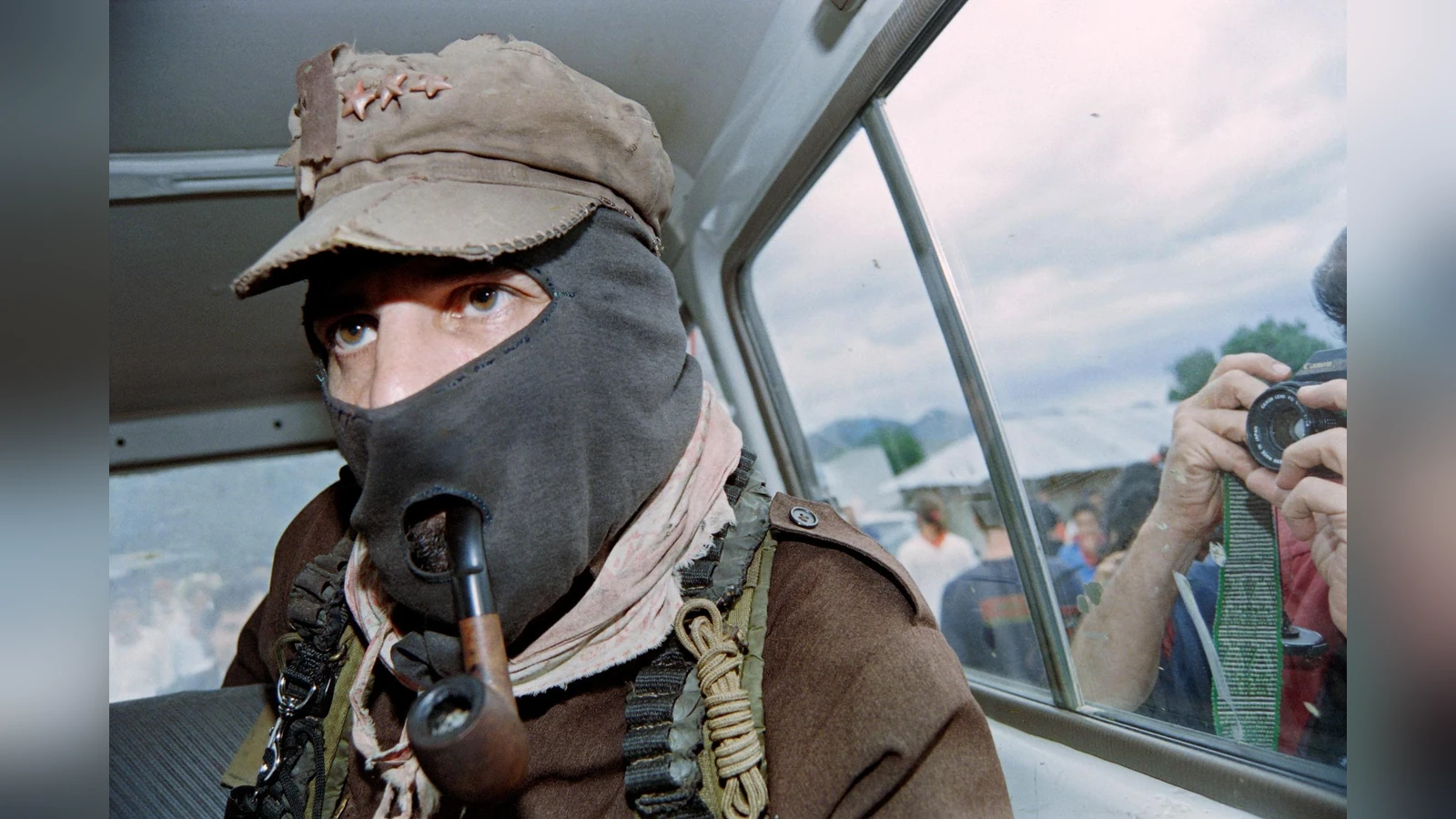
«Marcos: Otro mundo es posible», directed by journalist and documentary filmmaker Diego Enrique Osorno and produced by Detective, received its official trailer on November 4, 2026, ahead of its December 2, 2026 Netflix premiere.
Marcos, the Zapatistas and the story behind the mask
The film revisits the Zapatista Army of National Liberation (EZLN), which gained international attention during the Indigenous uprising in Chiapas, Mexico, in January 1994. Subcomandante Marcos became its best-known public voice, but the documentary looks beyond his individual persona.
Through firsthand accounts, historical images and previously unseen material, Osorno seeks to connect the public image of the masked figure with the people and demands of the movement. Marcos himself is among the voices heard in the film.
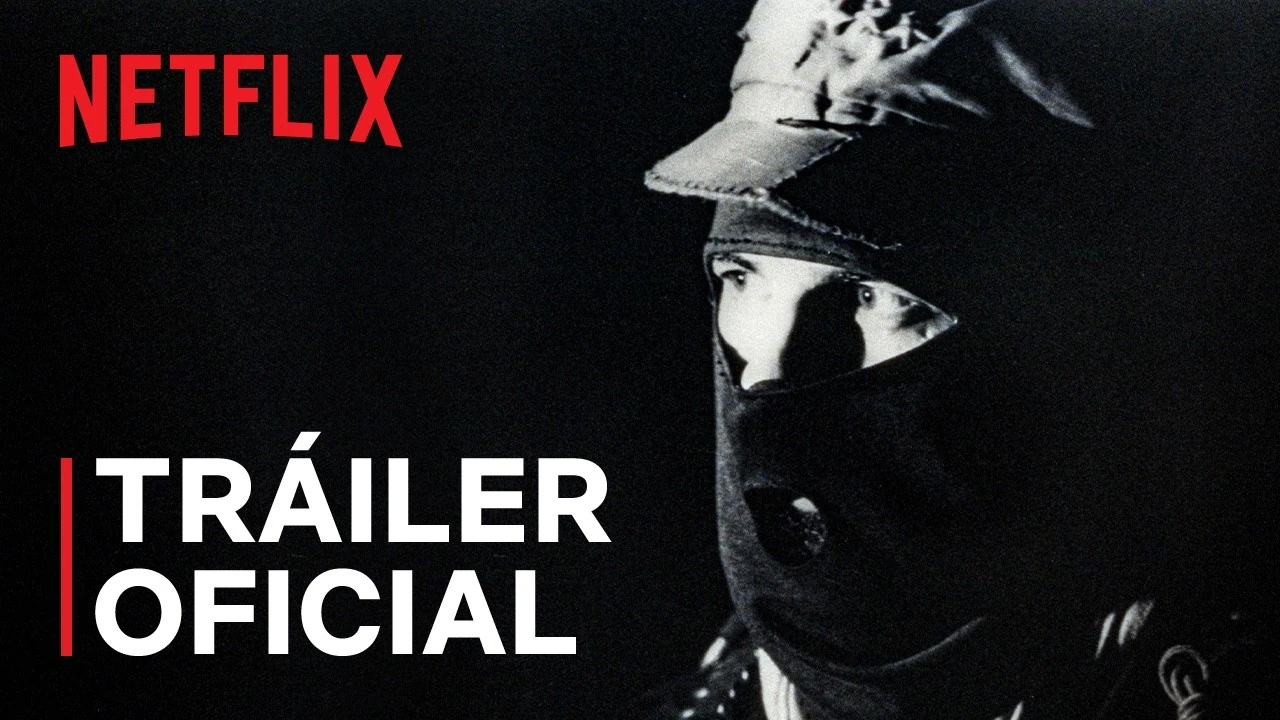
5,000 hours of archives: the work behind the trailer
The production researched more than 5,000 hours of archival footage and dozens of interviews. That does not mean every hour appears in the final documentary. It means the team first had to locate footage, establish its historical context and select the sequences capable of supporting a coherent story.
Editing poses a particular challenge: images from different decades, sources and technical formats must sit alongside present-day interviews without erasing their original character or disconnecting them from the circumstances in which they were recorded. The relationship between historical footage and a filmmaker’s contemporary perspective is equally central to Sergei Loznitsa’s «Imperium», a documentary assembled entirely from historical imagery.
16mm film, cinematography and archival work
The new footage was shot on 16mm film, with cinematography by María Secco and Axel Pedraza. Israel Cárdenas handled editing, while Aída Bautista worked on the archive. The production therefore brings new film photography together with material from different periods and sources.
For documentary creators, the practical lesson is substantial: restoration, careful source documentation and the placement of each shot in the edit can shape what an audience understands just as much as the cinematography itself.
What we think
Five thousand hours is an impressive number, but anyone who works with interviews and archives knows that sheer volume does not make a strong documentary. The hard part is deciding what stays—and, more importantly, what gets left out. Each choice changes how viewers interpret a historical moment.
What we particularly want to see here is how the images from 1994 connect with present-day testimony. Shooting new material on 16mm can give it a distinctive texture, but it should not blur the differences between sources. A television report, an archival photograph and a newly recorded interview carry different kinds of evidentiary weight.
And because this is a political movement that still exists, the film should also be judged by how much room it gives to the communities themselves rather than relying on the appeal of one famous figure. That is what makes this documentary worth watching for anyone interested in both the craft and the responsibility of nonfiction filmmaking.