Summary
- Angeliki Lefkaditou discusses her transition from science to nature documentary production.
- She describes her creative partnership with Asgeir Helgestad on Frost Without Snow and Ice.
- She explains financing challenges, production risks and safety in Svalbard.
- She reflects on the value of storytelling and the place of nature in cinema.
Angeliki Lefkaditou talks to PTTL about her path from academic research to nature documentary production, the making of Frost and the risks behind independent cinema.
From Kefalonia and Thessaloniki to Oslo and Svalbard, the Artic Light producer and screenwriter brings ecology together with cinema. She describes the work behind the images, the financing of years-long productions and her creative partnership with director Asgeir Helgestad.
Her perspective complements Asgeir Helgestad’s interview about Frost, and the film featured in the Thessaloniki documentary festival’s environmental film selection.
The interview
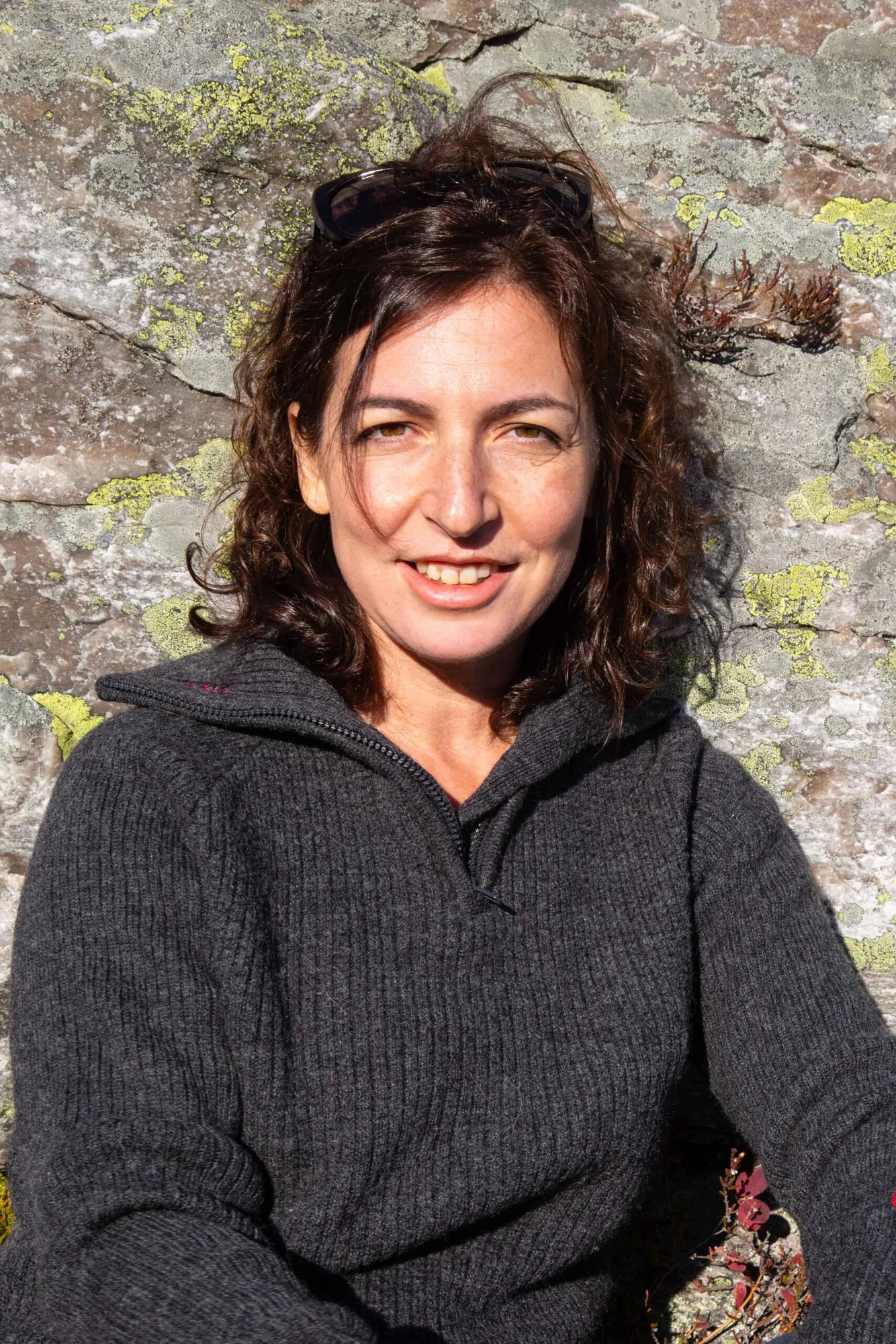
How did your journey from ecology, history of science and museums lead you into documentary production?
Sometimes I am surprised by all these changes myself. My undergraduate studies actually began in agricultural science at Aristotle University. What connects everything is my love for nature and my curiosity about how we acquire knowledge and what its consequences are. Academia allowed me to explore those questions, but I often found it lonely and competitive. Museums brought me into direct contact with audiences. When I met my husband, Asgeir Helgestad, I decided to move into documentary production, bringing cinema together with ecology and environmental concerns. It was frightening and uncertain at first, but worth the risk.
What took you to Norway, and how did moving there affect your work and your relationship with nature?
I was looking for work while finishing my PhD in the history of science in England. I knew nobody in Oslo, but the position fitted my research perfectly. On the day of my interview, I stood on the roof of the Opera House in the cold, grey city and thought I could stay there forever. What changed most was my quality of life. The working conditions gave me time to slow down, enjoy my surroundings and reconnect with nature.
What from your years studying and living in Thessaloniki still shapes how you approach a story?
Those years were decisive in making me who I am. They were political years, in the deeper sense of the word, when we fought for public space. Solidarity and empathy are not taught in lecture halls; fortunately, they are learned in the streets. I still try to bring these values both to storytelling and to my relationships.
How do you balance scientific evidence with the emotional connection a documentary needs?
Good scientific research needs vision, curiosity, social sensitivity and emotion. In philosophy and the history of science I have always tried to understand how those qualities shape scientists and my own approach. Reliability matters, but I cannot hide behind supposedly apolitical objectivity. Documentary audiences expect both credibility and authenticity. Art and research are political acts, and that need not conflict with evidence.
How close is the work of a museum curator to the process of making a documentary?
The processes are very close, including the fact that you cannot control what happens when an exhibition or film reaches its audience. You must become comfortable with that uncertainty without underestimating people. Knowledge does not have to be made easy; we have to find a way to share it. I have always considered the audience an essential part of the creative process.
What does being a producer on an independent nature documentary mean in practice?
In a small independent company, it means doing whatever is needed to respect the creators’ vision and deliver the result everyone believes in. I present projects to funders and partners, support story development when needed, coordinate collaborators, contracts, working conditions and disagreements, and spend endless hours on funding applications and deliverables. The work continues after the premiere, until the financial accounts are closed. When we are fortunate, we also arrange special screenings with communities, schools and organisations.
What is the hardest part of producing this kind of documentary?
The hardest and most important part is knowing your place within the creative team and maintaining respect and trust even when everything feels chaotic. I must remember the vision and serve it as well as I can. If the producer stops believing in the work, the entire team senses it.
How do you convince financiers to support a long and unpredictable environmental story?
Most documentaries take a long time and are not particularly lucrative. Environmental films are especially unpredictable because you cannot arrange an appointment with your animal protagonists, or even ask for their consent. You persuade people through your vision and track record, and by showing care and commitment. Long-term relationships matter. You do not casually change a distributor who has respected your work.
How do you protect a film’s artistic vision while dealing with funders, broadcasters and markets?
It is difficult, but essential, or you lose your voice. Norway has a relatively strong, if highly competitive, public funding system that allows us to develop our own vision without interference. This provides a foundation before we seek additional funding. There are always concerns about different demands, including those of festivals, but I believe it is the producer’s responsibility to manage them rather than burden the creative team.
What has changed for you across Queen Without Land, A Call from the Wild and Frost Without Snow and Ice?
My transition was easier because Asgeir had extensive experience and shared his knowledge generously. I continue learning from colleagues and international workshops, which is one of the most rewarding parts of my job. The hardest lesson has been living with uncertainty and with how little I know, without fearing that a mistake might cost someone else their vision. I think I am getting a little better at that.
How did you help shape Frost’s screenplay from material gathered over a decade?
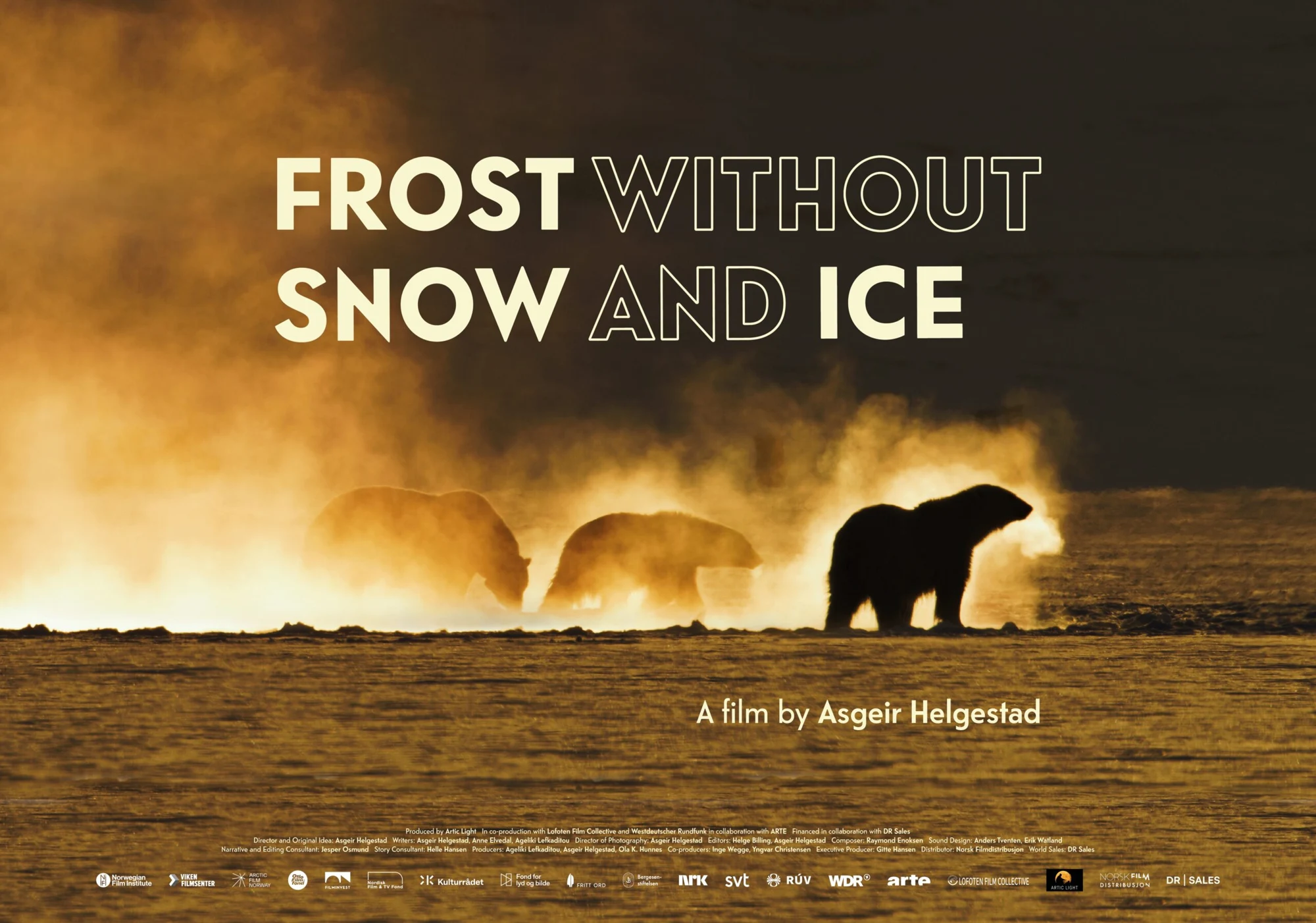
Asgeir and I are a creative partnership, not a conventional director–producer pair. We lived this story at home, over dinner, on walks in the forest and on journeys to Svalbard. My contribution was mainly to the story structure, which we turned upside down repeatedly for years. We discussed almost every sentence and wanted several layers of meaning. Our experienced co-writer Anne Elvedal often helped us find a way forward with her critical perspective.
How difficult was it to leave beautiful footage out of Frost when it did not serve the story?
It was not especially difficult because Asgeir is very open to detailed discussion. As a cinematographer, he sees things I do not, which makes my work easier. We always agreed that this was Frost’s story. Even when the film needed quieter moments, it was important to return to her.
Did you ever act as the more detached voice when discussing Asgeir’s creative decisions?
I cannot claim to be detached from this story, but I certainly offer another perspective. I observe Asgeir himself and sometimes remember things he has forgotten. We have agreed and disagreed, of course, but he carries the artistic responsibility and exposes himself more, even in front of the camera. I respect that profoundly.
How did you decide how much climate science the film needed?
Asgeir had the greatest responsibility for striking that balance. At times one of us wanted more information than the other, and we listened to colleagues, friends and advisers. We knew we did not want another scientific lecture about the climate crisis. For us this was a sensitive, personal story, with a grave and changing climate backdrop, and a proposal for coexistence and respect for wildlife. Frost and the Svalbard ecosystem remained at the centre.
Was there a production crisis when you feared the film might never be finished?
Asgeir has worked in Svalbard for decades and has a strong network of friends and collaborators. I never feared we would fail to finish the film, even when pandemic restrictions stopped us travelling. Giving up was never an option. What frightened me was knowing he was in the field for days with almost no communication. I would wake at night and check social media for reports of accidents. With increasingly unstable ice, the responsibility for the team is enormous.
What did financing Frost require, and how much risk did the company take?
Our company decided early on to shoulder a disproportionate financial risk so that we could tell the story as we intended. We searched everywhere for funding and, with our sales agent DR Sales, covered the budget, although the production company still provided a little more than 15 percent. Some committed funding has not yet reached us. Without a financially healthy company we could not have done it. With limited broadcaster contributions and declining public funding, productions like this are extremely difficult to finance. Co-productions help, but should offer more than a financial arrangement.
What did the world premiere in Thessaloniki mean to you personally?
It was a dream come true, a celebration with dear friends. As a student, the Thessaloniki Film Festival made me fall in love with cinema, especially through programmes of European filmmakers. After watching as much Fellini as I could one year, I decided to learn Italian. These days Norwegian has taken its place!
Have audiences in different countries responded differently to Frost?
Most audiences respond in similar ways, though in some places the climate crisis comes more strongly to the fore. It is wonderful to sit among people and watch them be moved by a story you love. I am especially eager to see the film’s cinema run in Germany and its reception in Norway.
What does a documentary need beyond beautiful wildlife images?
There is no recipe for success. The time spent developing the story and a personal connection to it are crucial. People respond to dedication and authenticity. There are already more beautiful wildlife images than we may need, but a unique story moves us differently in a dark cinema. I hope the magic of cinema is not so easily lost.
Where do you draw the line between environmental storytelling, activism and preaching?
For me the limit is the creators’ vision; the audience can judge. I am not especially fond of the Greek use of the word activism, although I use the term internationally because it is widely understood. Art is deeply political and I value films that do not disguise their intentions. I find didactic approaches less interesting, although I am quite tolerant; perhaps we sometimes need a lesson amid endless relativism.
What concerns you about media coverage of climate change and biodiversity loss?
What worries me most is how rarely these crises appear in the media, or how often they are treated as uncertain or remote despite the evidence. The coverage also tends to be anthropocentric when the rest of nature is already suffering. The unequal distribution of resources and responsibility, linked to colonial history and its modern forms, receives too little attention. We have neither contributed equally to these crises nor suffered their effects equally.
Can cinema change how people see other species, beyond audiences who already care?
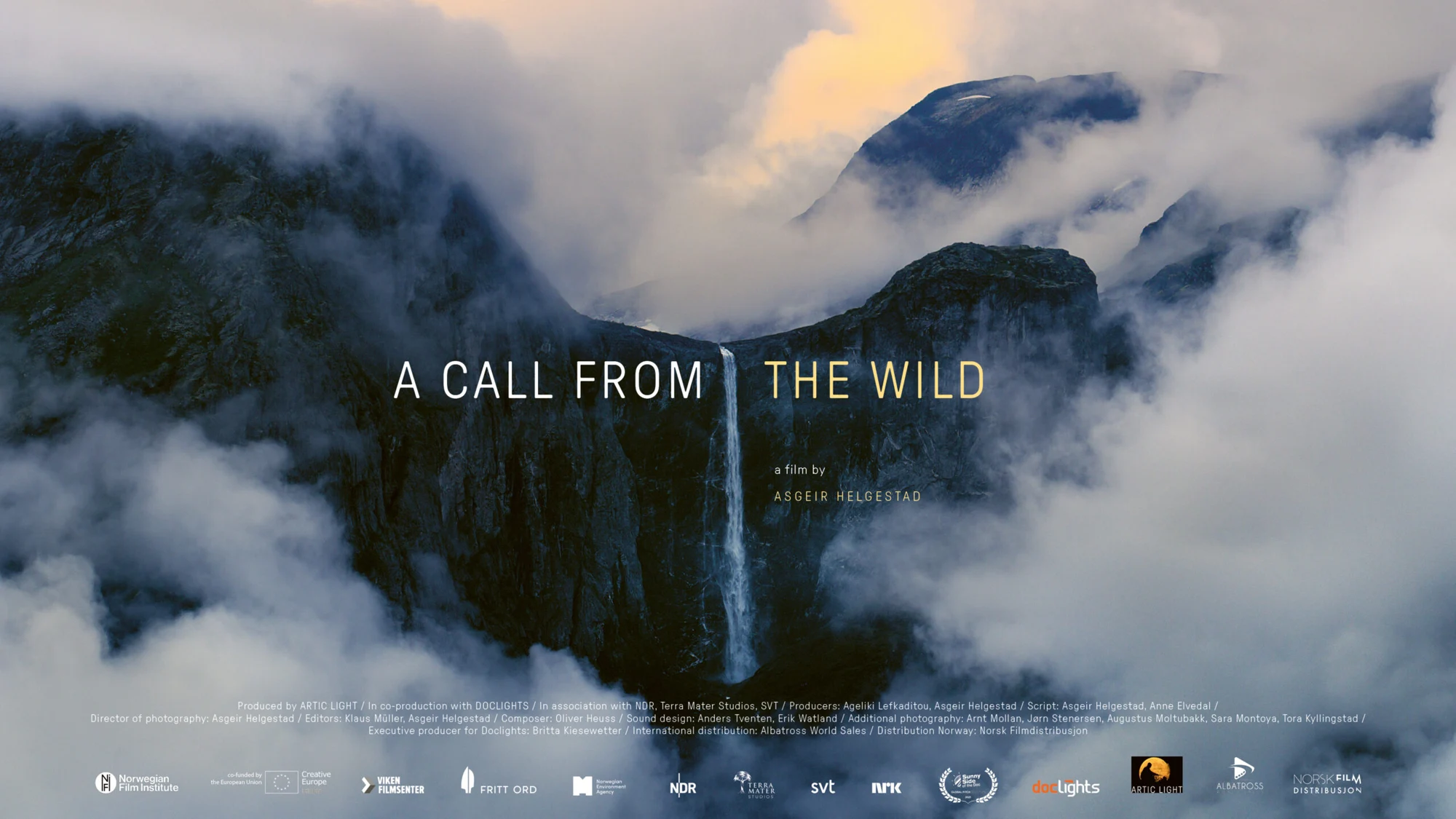
Around 20,000 people saw A Call from the Wild in Norwegian cinemas during its regular three-month run, alongside its international festival and broadcaster journey. We were invited to special screenings across Norway, often in support of local environmental campaigns. Our core audience certainly includes people who already care, and we do not want to lose them. But the film reached others too. I believe wholeheartedly in the power and magic of cinema.
What did it mean to watch A Call from the Wild reach audiences in Greece?
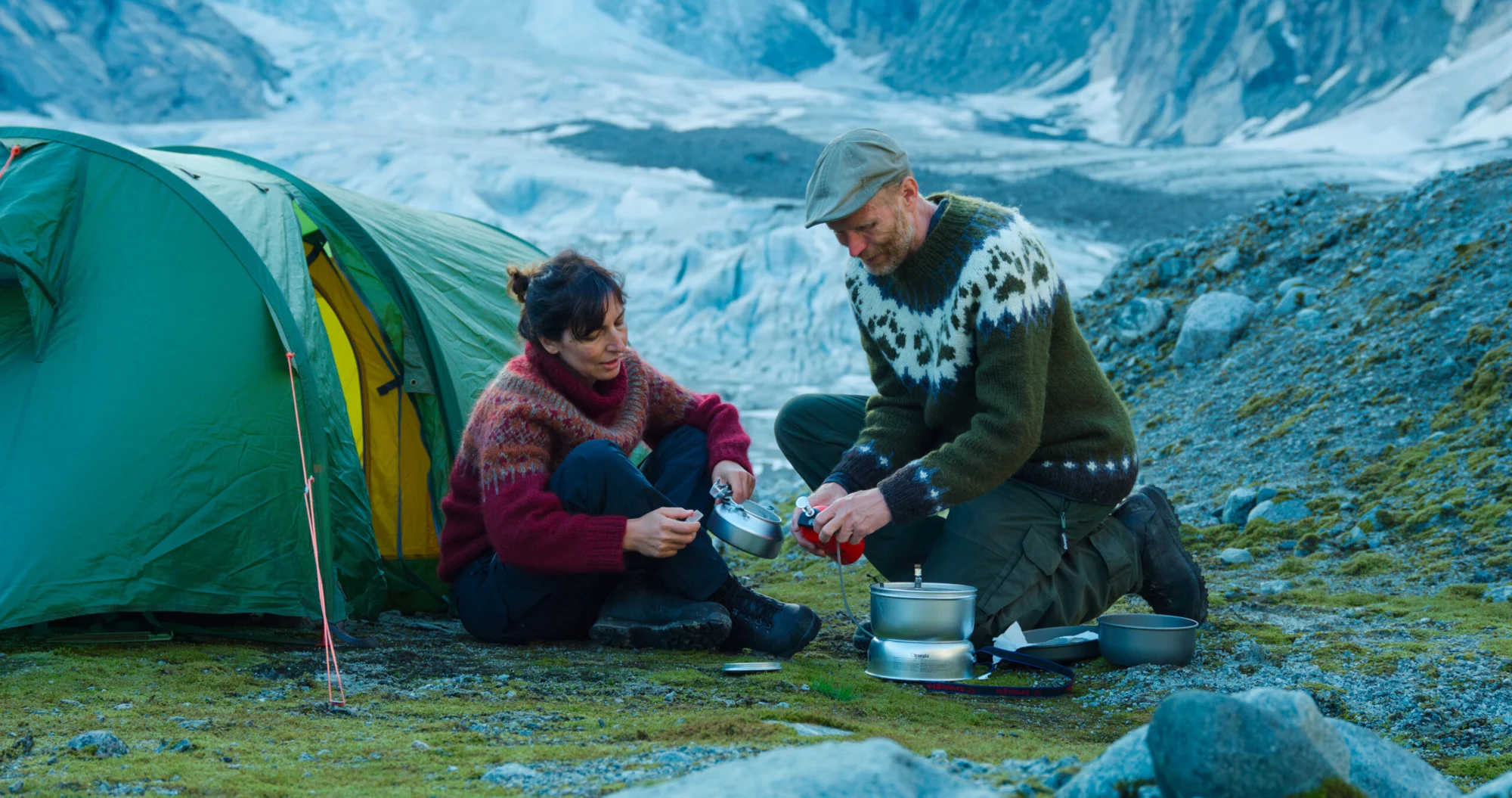
This film is very close to me and even includes scenes from our home. It was also the first film for which I took responsibility as lead producer. I was genuinely moved to watch it with my mother in her living room while her friends called during the breaks to congratulate her. Many people sent touching messages. I wish nature in Greece did not face similar threats, and I hope we can reverse them through local effort and solidarity.
What differences do you see between documentary funding in Greece and Norway?
I only know the Greek system through conversations with colleagues. Norway has much stronger state support for culture, despite repeated cuts. In addition to the national film institute, decentralised regional centres fund artistic development according to different criteria. Documentaries also reach cinemas in a country with a much smaller population, although we compete with major productions for screens. There is a dedicated, mainly adult audience.
Would you consider making a documentary about Greek nature?
Of course, if we find the right idea. I would be especially interested in a story connecting northern and southern Europe. We have had some discussions and will keep looking.
What advice would you give young Greeks interested in producing documentaries?
I hesitate to advise people because I do not know the Greek industry well enough. A period of apprenticeship with a production company could be a valuable first step, provided it is paid. International workshops can also help, even outside major festivals. The EFM Doc Toolbox Programme in Berlin was especially useful to me.
What stories would you like to tell next?
I have many ideas about our relationship with the non-human world. We already have three documentaries in development with three wonderful Norwegian directors. A little patience! As a producer I think it is important to commit to a subject I know well so I can properly support filmmakers and myself.
Which festival honours and responses to Frost mean the most to you?
Our biggest goal was to move beyond specialised wildlife and environmental festivals and reach a wider audience. At Emden-Norderney we won the Focus Future Award and met our future German distributor. At Film Festival della Lessinia in Italy, the audience award and Green Planet Movie Award were especially moving. Winning Best Story at Green Screen in Germany was a special honour among longtime friends and colleagues. Returning to Nordisk Panorama in Sweden also means a lot: we first presented the project there years ago and met vital partners. Festivals give filmmakers a chance to celebrate years of work with audiences and colleagues, and organisers should recognise the creators’ contribution.
When will Greek audiences be able to see Frost in cinemas?
It is still early and I have not heard of a distribution agreement for Greece. There may be festival screenings before a wider release. I am confident the film will find its way to Greek audiences, who have embraced our previous films. We received a moving message from Greece years ago asking about Frost, and now we cannot wait to share her whole story.
Short biography
Angeliki Lefkaditou was born and raised in Kefalonia, Greece. She earned a PhD in the philosophy of ecology at Aristotle University of Thessaloniki and another in the history of science at the University of Leeds. She worked at the University of Oslo and the Norwegian Museum of Science and Technology. Since 2020 she has produced documentaries at Artic Light, including Queen Without Land (2018), A Call from the Wild (2024) and Frost Without Snow and Ice (2026).
What we think
I attended the world premiere of Frost Without Snow and Ice at the Thessaloniki International Documentary Festival, and I left the cinema genuinely impressed. It was not only the extraordinary images of the Arctic, but the way the life of one polar bear, Frost, brought me so close to a place thousands of kilometres away. In my review of the film, I focused on that combination of personal storytelling, emotion and striking imagery — beauty that reveals, rather than conceals, the vulnerability of wildlife.
That screening made me want to talk to director Asgeir Helgestad about Frost’s story and the years he spent documenting it. When I discovered that Angeliki Lefkaditou, a Greek producer and co-writer, had played an important part in making the documentary, I wanted to hear her perspective as well. These two conversations grew out of that experience: a wish to get to know the people who shaped the story we saw on the big screen.
I strongly believe in the value of nature and environmental documentaries. We often encounter climate change and biodiversity loss through figures, maps and scientific evidence. All of that matters, but cinema can offer something harder to capture in a chart: a connection with the living world. Following Frost, we do not merely learn that sea ice is retreating; we see what those changes mean to an individual animal trying to survive in its own habitat.
I want films like this to reach as many people as possible, including those who do not already follow wildlife or environmental conservation. One screening cannot change the world on its own, but it can change how we see it. That shift can lead to curiosity, understanding and a greater willingness to protect what we risk losing. It is what stayed with me after seeing Frost in Thessaloniki, and why I think the voices of the people who make such films deserve to be heard.