


Summary
- Basement bans smart glasses even when they are kept inside a bag
- Violators will be removed and may be permanently banned
- Meta is closing the loophole that allowed the LED to be covered after recording began
- The camera will stop if the capture LED is covered during video
- The LED signals capture, but it does not constitute consent
One of New York City’s strictest clubs now bans smart glasses even when they are kept inside a bag, while Meta is updating its software so the camera stops if the warning LED is covered during a recording.
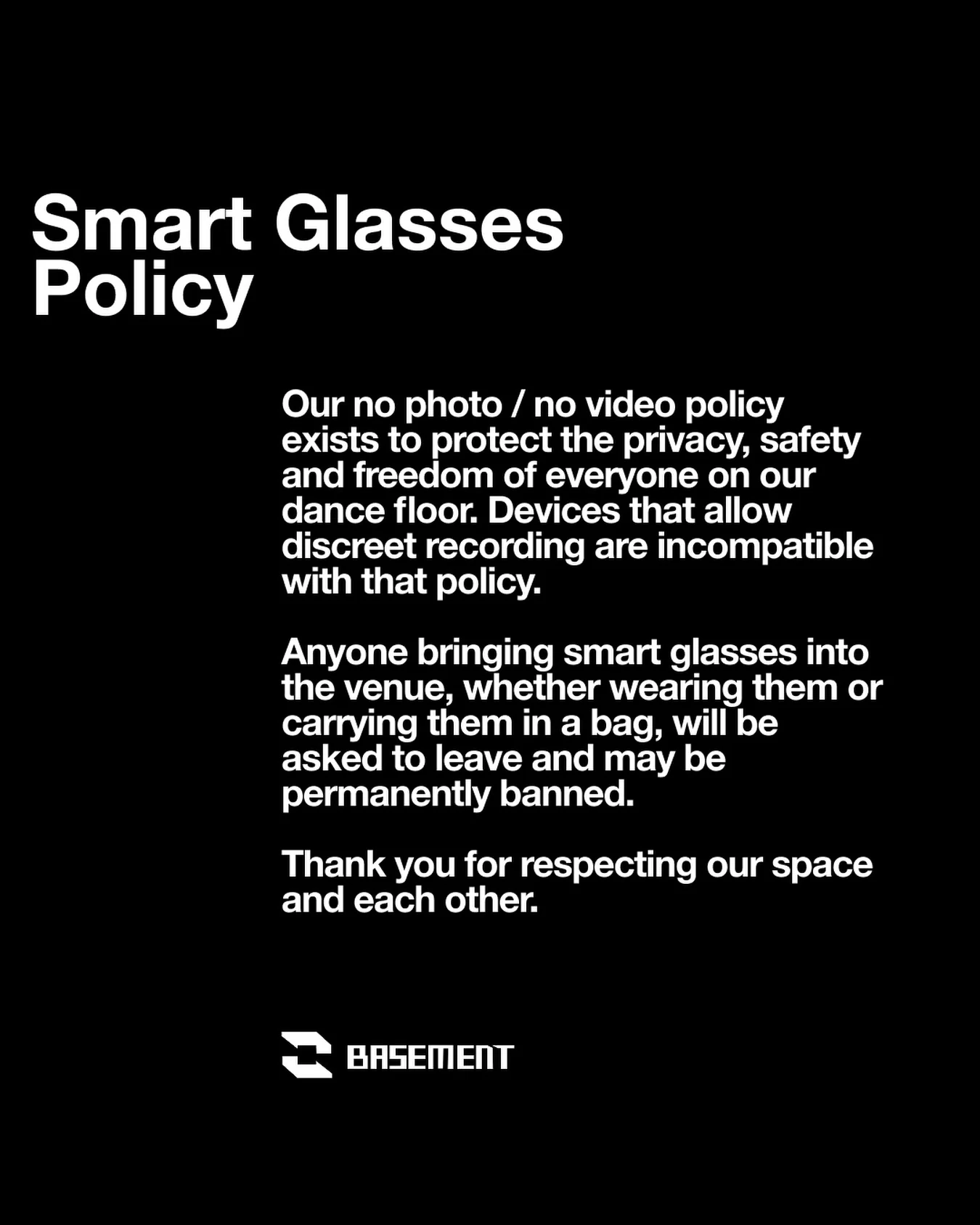
Basement in Queens announced that anyone bringing glasses capable of discreet recording into the venue will be removed and may be permanently banned. At almost the same time, Meta vice president of augmented reality Alex Himel said a fix was beginning to roll out for a loophole that allowed someone to start recording with the LED visible and cover it immediately afterwards.
The two developments illuminate different sides of the same problem. Meta is trying to make the technical recording indicator more reliable, while Basement believes that the mere presence of a wearable camera is incompatible with privacy and freedom on a dance floor governed by an absolute no photo / no video rule.

Basement’s ban is not limited to using the glasses
In its official statement, Basement connects its no-photo and no-video policy with protecting the privacy, safety and freedom of everyone on the dance floor. The club says devices that enable discreet recording are incompatible with that rule.
The wording is absolute: it does not ban only active capture or only wearing the glasses. Anyone wearing them or carrying them in a bag will be asked to leave and may be permanently banned. In practice, this moves enforcement away from proving a violation and towards possession of the device inside the venue.
The loophole closed by Meta’s new update
The previous safeguard on second-generation glasses checked whether the white capture LED was covered before the camera started. If an obstruction was detected, photo or video capture could not begin until the light was exposed again. Meta had also extended detection to physical tampering or destruction of the LED.
A simple timing gap remained: a user could begin a video with the LED visible and cover it once recording was already under way. According to Himel’s announcement, the new update also checks during capture. If the light is covered while the camera is recording, the camera stops working.

What the white capture LED means
Meta explains that the LED blinks briefly when a photo is taken and continues blinking while video for the user’s gallery is being recorded. It has no off switch. Photos and videos are initially stored privately on the glasses, and the user chooses whether to import them to a phone, share them or use them with Meta AI.
The company also says it removes ads, posts and Marketplace listings that promote LED-tampering services, may ban related accounts, and has taken legal action against businesses that offer such modifications.
Why the technical fix does not invalidate the club’s policy
The capture LED is an indicator that recording is taking place; it is not consent from the people in the frame. A public street, an event and a private venue come with different rules and expectations. A private venue can impose stricter entry conditions than the technical safeguards of a device.
For Basement, the objective is not merely to make the camera visible while it records. Its existing policy seeks to remove the possibility of recording from the dance floor altogether. Therefore, even if Meta’s update works exactly as described, it does not alter the core logic of the ban.
The practical limit of identification
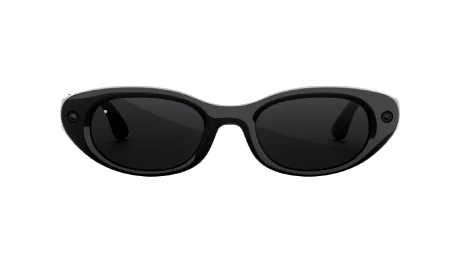
Camera glasses are increasingly designed to look like ordinary frames. That makes hands-free capture more useful, but it also makes it harder for venue staff to identify every model quickly and confidently. A possession ban is clear as a rule, yet enforcement will depend on checks at the door and familiarity with available products.
For users, the practical message is that the absence of active recording is not enough when a venue explicitly bans the device itself. Entry terms should be checked before visiting, just as they would be for any other photographic equipment in a private venue.
What we think
Meta’s fix closes an obvious and meaningful gap, but it arrives after abuse of a safeguard that should have been monitored continuously from the start. Basement’s decision also shows that trust cannot be rebuilt with an LED alone: when a venue’s experience depends on the absence of recording, the clearest policy may be a complete ban on wearable cameras.
Frequently asked questions
What exactly does Basement ban?
It bans smart glasses from the venue whether they are being worn or carried inside a bag. The person will be removed and may be permanently banned.
What changes with Meta’s new update?
The camera will stop if the capture LED is covered during an active recording, closing the loophole that allowed the light to be covered after video capture began.
Can the capture LED be switched off normally?
No. Meta says the white LED has no off switch and that the camera is blocked when covering or physical tampering is detected.
Does an illuminated LED mean consent has been given?
No. The LED signals that capture is taking place, but it does not replace consent or override the rules of a private venue.